









What's Happening?
Inflation in the United States has reached its highest level in nearly three years, driven primarily by rising energy costs linked to the ongoing conflict with Iran. According to a report from the Labor Department, consumer prices in April increased by 3.8%
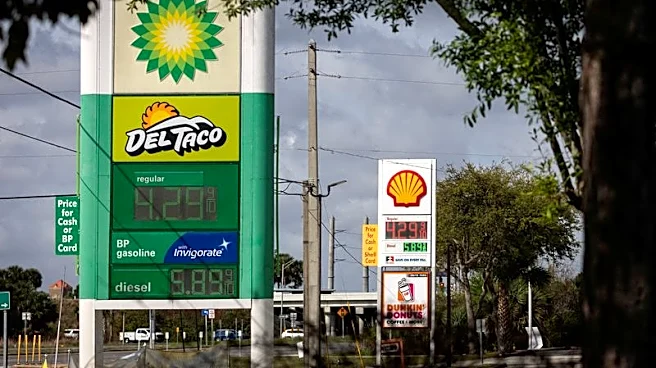
compared to the previous year, marking the largest annual rise since May 2023. The monthly increase from March to April was 0.6%. A significant factor in this surge is the sharp rise in gasoline prices, which have increased by approximately $1.50 per gallon since the onset of the war with Iran. This conflict has disrupted tanker traffic in the Strait of Hormuz, a critical passage for global energy shipments. The increase in energy prices accounted for 40% of the monthly rise in the consumer price index. Additionally, housing costs have also contributed to inflation, with a 0.6% increase between March and April, partly due to a statistical anomaly from a previous government shutdown.
Why It's Important?
The surge in inflation has significant implications for the U.S. economy and its citizens. Rising energy costs not only affect gasoline prices but also have a cascading effect on other sectors, such as air travel and goods transportation, leading to higher prices for consumers. The increase in core inflation, which excludes volatile food and energy prices, to 2.8% indicates broader inflationary pressures. This situation erodes the purchasing power of Americans, as wages are no longer keeping pace with inflation, reversing a trend seen over the past three years. The economic strain is likely to impact consumer spending, a critical driver of the U.S. economy, and could influence monetary policy decisions by the Federal Reserve.
What's Next?
If the conflict with Iran continues, further disruptions in energy supply chains could exacerbate inflationary pressures. Policymakers may need to consider measures to stabilize energy prices and address the broader economic impact. The Federal Reserve might face pressure to adjust interest rates to curb inflation, balancing the need to support economic growth with controlling price increases. Additionally, the government may explore strategic reserves or alternative energy sources to mitigate the impact of rising fuel costs.