




What's Happening?
Clean Energy Technologies, Inc. (CETY), through its affiliate Vermont Renewable Gas (VRG), has entered into a Memorandum of Understanding (MOU) with the Vermont Agency of Agriculture, Food and Markets. This agreement establishes comprehensive agricultural
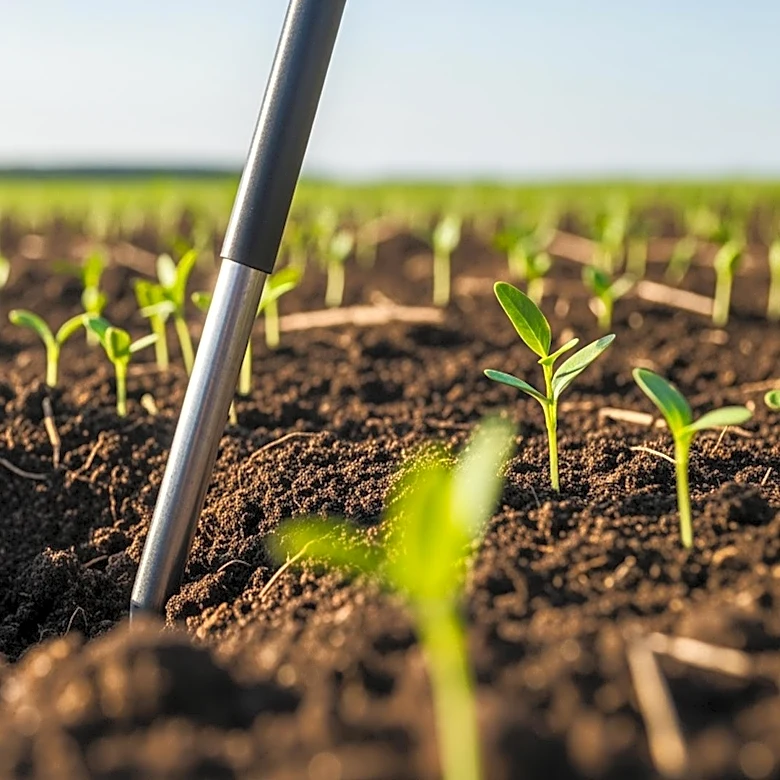
and soil protection requirements for a proposed 2.2 MW renewable energy facility in Lyndon, Vermont. The MOU, filed with the Vermont Public Utility Commission, addresses agricultural impacts and sets conditions for soil preservation, feedstock sourcing, and biochar quality. This development is a significant milestone in the project's review under Vermont's Section 248 process, which is crucial for ensuring the project does not adversely affect primary agricultural soils. These soils are vital for long-term food production, water retention, and ecosystem stability.
Why It's Important?
The agreement between Vermont Renewable Gas and the state agriculture agency is crucial for advancing renewable energy projects while safeguarding agricultural resources. By setting stringent conditions for soil and agricultural protection, the project aims to balance energy development with environmental sustainability. This initiative reflects a growing trend in the energy sector to integrate renewable energy solutions with ecological preservation. The project could serve as a model for similar initiatives, promoting sustainable energy practices that support local economies and energy resilience. The successful implementation of this project could enhance Vermont's renewable energy capacity and contribute to broader efforts to reduce carbon emissions and combat climate change.
What's Next?
The Vermont Public Utility Commission will continue its review of the Lyndon renewable energy project under the Section 248 process. Compliance with the MOU's conditions will be crucial for the project's approval and implementation. Stakeholders, including local communities and environmental groups, may monitor the project's progress to ensure adherence to the agreed-upon standards. The outcome of this review could influence future renewable energy projects in Vermont and beyond, potentially setting a precedent for integrating agricultural and environmental considerations into energy development.