
What's Happening?
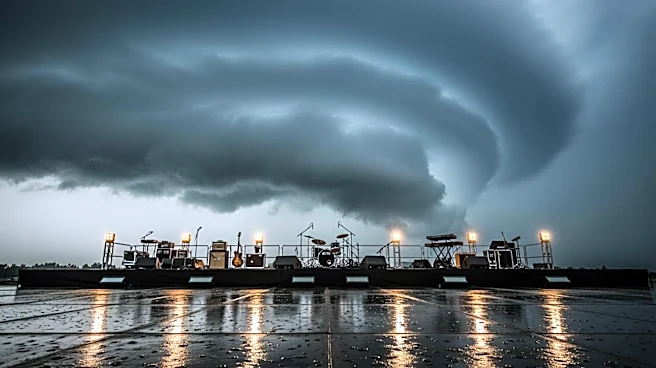
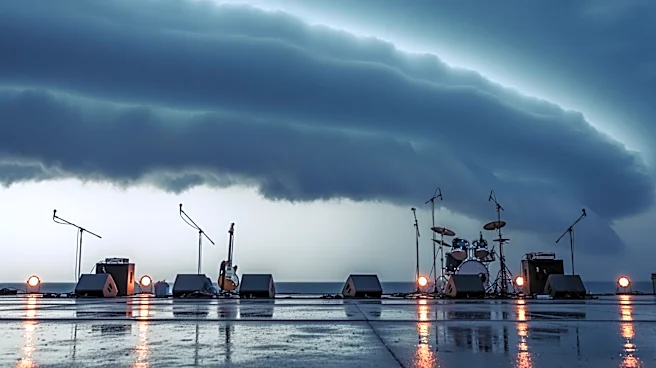
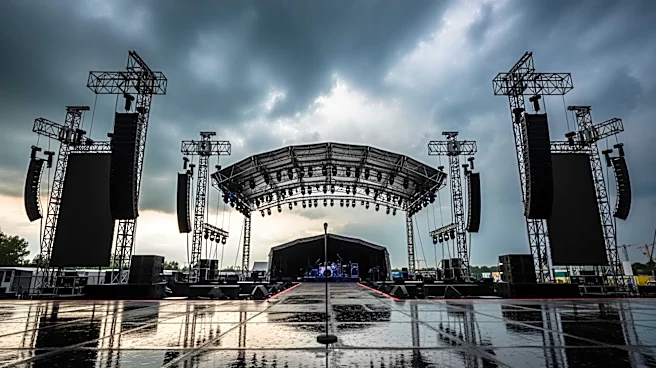
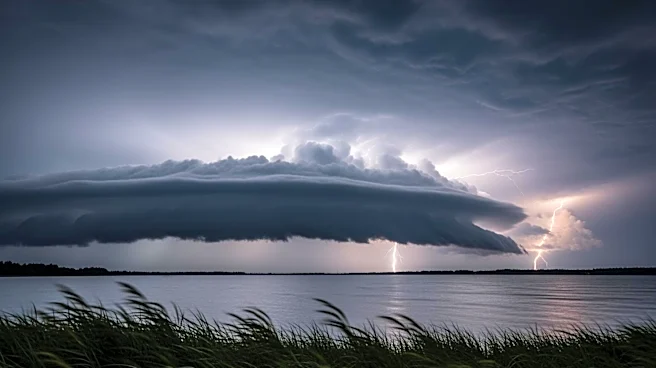
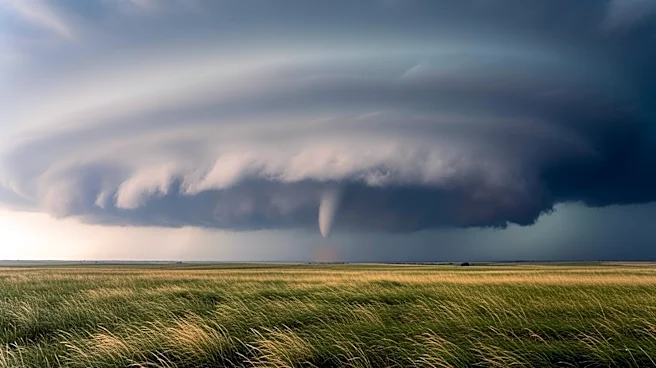
Zach Bryan, a popular musician, has canceled his scheduled concert in Tulsa, Oklahoma, due to 'extreme and dangerous weather' conditions. The concert was part of his 'With Heaven on Tour' series and was set to take place at the H.A. Chapman Stadium. Bryan expressed
his disappointment over the cancellation, stating that it was not his decision and that he had no choice in the matter. He apologized to his fans for the inconvenience and assured them that refunds would be issued automatically. The decision to cancel was influenced by severe weather forecasts predicting damaging gusts in the area. Despite the cancellation, Bryan's tour is set to continue with another performance at the same venue the following evening, and subsequent shows planned in Lincoln, Starkville, and Cleveland.
Why It's Important?
The cancellation of Zach Bryan's concert highlights the impact of severe weather on live events and the entertainment industry. Such disruptions can lead to financial losses for artists, venues, and local businesses that benefit from concert-goers. For fans, especially those who travel to attend these events, cancellations can be disappointing and inconvenient. This incident underscores the importance of safety considerations in event planning, as extreme weather events become more frequent. The decision to cancel reflects a growing trend where artists and organizers prioritize safety over potential revenue, acknowledging the unpredictable nature of weather patterns.
What's Next?
Following the cancellation, Zach Bryan's tour is expected to proceed with the next scheduled performance in Tulsa, assuming weather conditions improve. The continuation of the tour will depend on ongoing weather assessments and safety evaluations. Fans and stakeholders will be closely monitoring updates to ensure the safety of attendees and performers. The incident may prompt event organizers to review contingency plans for future events, considering the increasing frequency of severe weather. Additionally, the response to this cancellation could influence how artists and promoters handle similar situations in the future, potentially leading to more robust communication strategies and safety protocols.