







What's Happening?
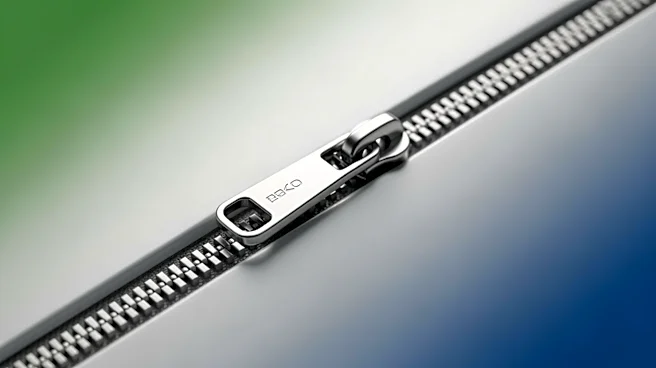
A zipper technology company, NOTAPE, has unveiled a new tapeless and seamless zipper design that significantly reduces resource consumption in manufacturing. This innovative zipper eliminates the traditional tape used in conventional zippers, which typically
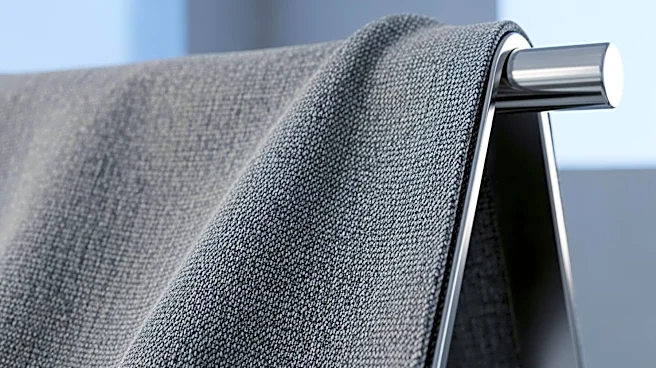
involves energy-intensive processes such as spinning, weaving, dyeing, and setting. By removing the tape, NOTAPE claims to cut the carbon footprint by approximately 19.4% to 26.6%. The new design also eliminates the need for dyes, auxiliaries, and fixatives, thereby reducing factory compliance costs and preventing toxic substances from entering the environment. The durability of the zipper is enhanced by integrating the teeth directly onto the fabric, ensuring that the zipper's lifespan matches that of the garment. This design also simplifies recycling, as it uses a single-material tooth structure that attaches physically to the fabric, eliminating the need for disassembly or sorting before recycling.
Why It's Important?
The introduction of NOTAPE's tapeless zipper technology represents a significant advancement in sustainable manufacturing. By drastically reducing resource consumption and environmental impact, this innovation addresses critical issues in the textile industry, such as energy use, water consumption, and waste generation. The reduction in carbon footprint and elimination of toxic chemicals align with global efforts to combat climate change and promote sustainable practices. This technology not only benefits manufacturers by lowering compliance costs but also appeals to environmentally conscious consumers who prioritize sustainability in their purchasing decisions. The potential for widespread adoption of this technology could lead to substantial environmental benefits and set a new standard for sustainable manufacturing practices.
What's Next?
As NOTAPE's tapeless zipper technology gains traction, it is likely to attract interest from major clothing brands seeking to enhance their sustainability credentials. The company provides brands with traceable and quantifiable data on carbon reduction, chemical reduction, water savings, and waste reduction, which can be used in Environmental, Social, and Governance (ESG) reporting. This transparency and accountability may encourage more brands to adopt the technology, leading to broader industry shifts towards sustainable manufacturing. Additionally, the durability and recyclability of the zippers could influence garment design and production, promoting longer-lasting products and reducing textile waste.