





What's Happening?
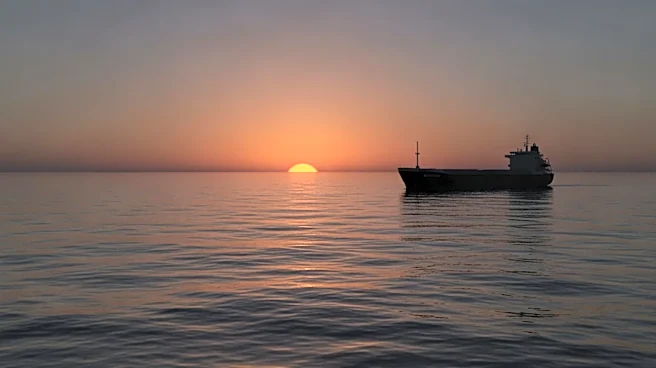
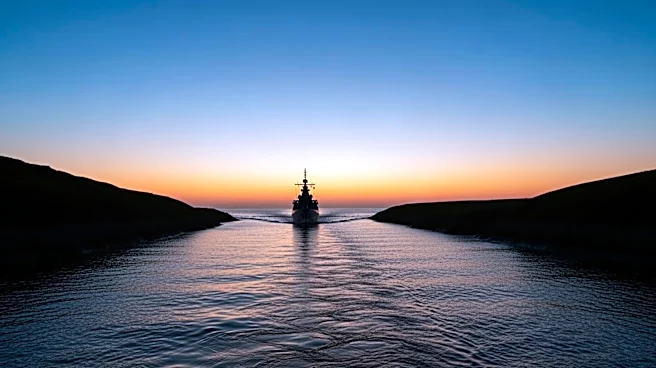
Rodolphe Saade, Chairman and CEO of CMA CGM, has cautioned against assuming that the Strait of Hormuz will return to its pre-war state, even if a peace agreement is reached. The French shipping group, one of the world's largest container lines, has faced
significant disruptions due to the conflict, with vessels stranded and alternative routes costing the company an additional $300 million in the first half of the year. Saade emphasized the need for the company to adapt to the geopolitical context and explore alternative shipping routes.
Why It's Important?
The ongoing conflict in the Strait of Hormuz has highlighted the vulnerabilities of global shipping routes and the potential for geopolitical tensions to disrupt international trade. CMA CGM's experience underscores the financial and operational challenges faced by shipping companies in navigating such crises. The situation also raises broader concerns about the security of global supply chains and the need for contingency planning in the face of geopolitical instability. For businesses reliant on these routes, the conflict serves as a reminder of the importance of diversification and risk management.
What's Next?
CMA CGM and other shipping companies may continue to explore alternative routes to mitigate the impact of future disruptions in the Strait of Hormuz. This could involve increased investment in infrastructure and logistics to support new trade pathways. Additionally, the company may engage with policymakers to advocate for measures that enhance the security and stability of critical shipping lanes. The broader shipping industry will likely monitor developments closely, adjusting strategies to ensure resilience in the face of geopolitical uncertainties.