




What's Happening?
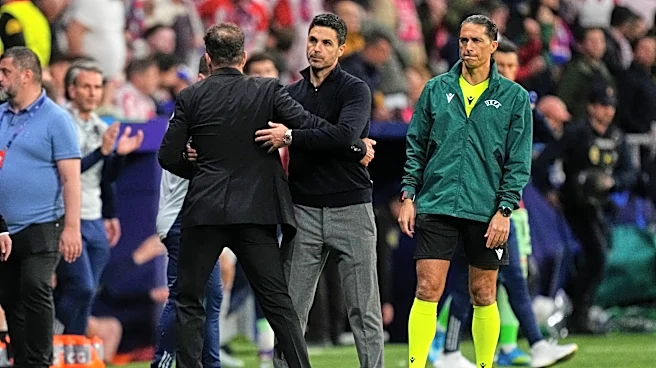
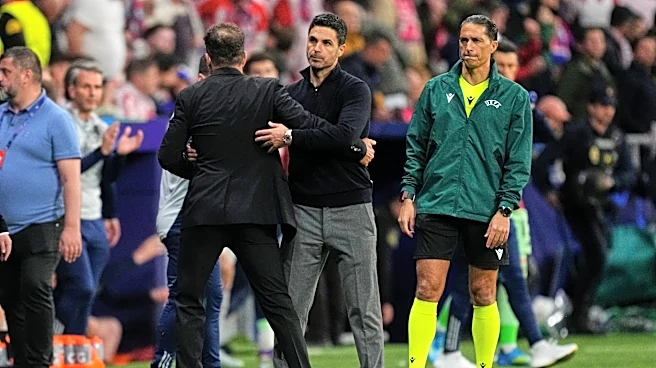
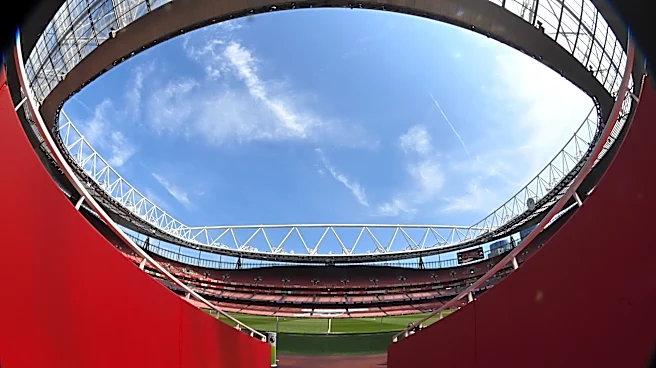
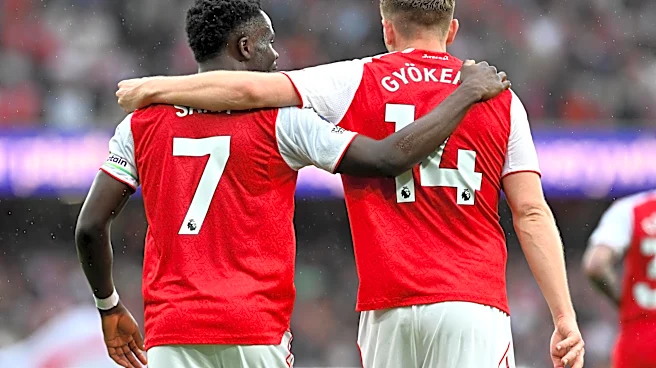
Arsenal's manager, Mikel Arteta, has decided to field an unchanged team for the Champions League semi-final second leg against Atletico Madrid. This decision follows Arsenal's recent 3-0 victory over Fulham, which helped them maintain their lead in the Premier
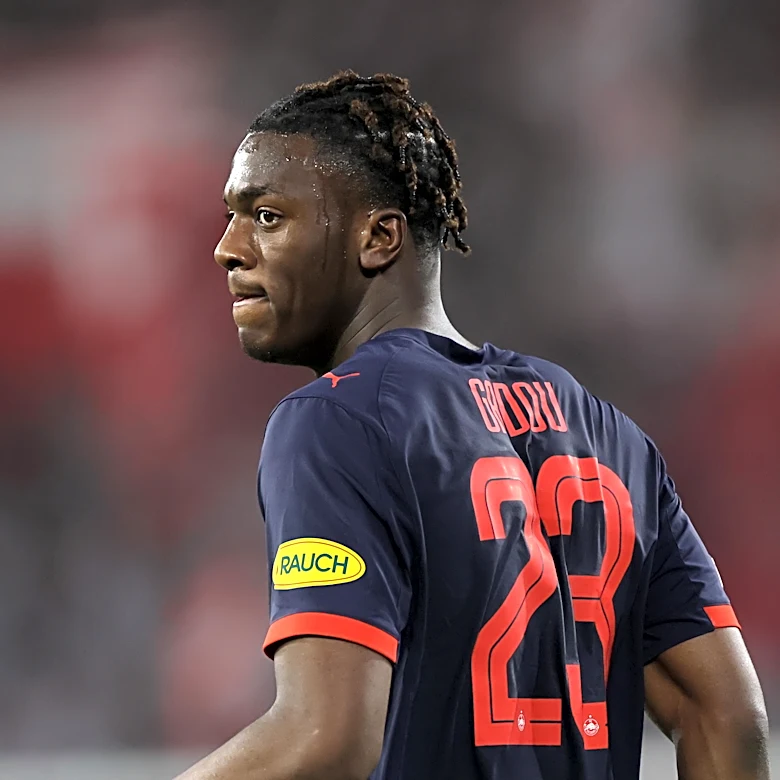
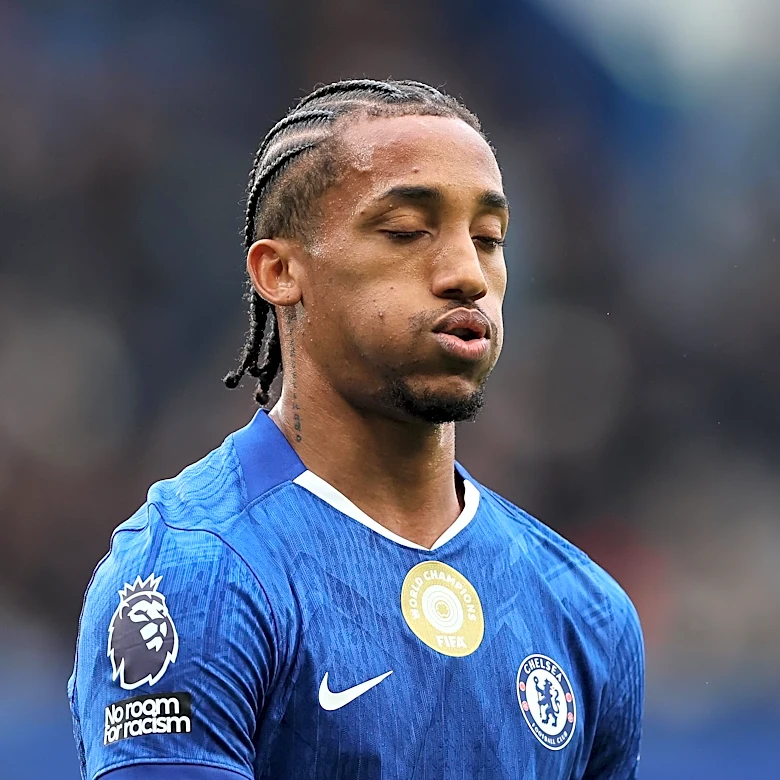
League. Key players such as Riccardo Calafiori, Myles Lewis-Skelly, Bukayo Saka, Leandro Trossard, and Ebere Eze will continue to feature in the starting line-up. Additionally, Martin Odegaard and Kai Havertz, who have been absent due to injuries, are now fit enough to be included on the bench. On the other side, Atletico Madrid's coach, Diego Simeone, has made a single change to his starting XI, with Robin Le Normand replacing Johnny Cardoso. This adjustment might see Marcos Llorente move into midfield, allowing Le Normand to join David Hancko in the center-back position. Veteran defender Jose Maria Gimenez has also returned to the bench after recovering from an injury.
Why It's Important?
The decision to maintain an unchanged line-up underscores Arteta's confidence in his team's current form and strategy, especially after their convincing win against Fulham. This consistency could be crucial in maintaining momentum and team chemistry as Arsenal seeks to secure a spot in the Champions League final. The inclusion of Odegaard and Havertz on the bench provides additional strategic options for Arteta, potentially allowing for impactful substitutions. For Atletico Madrid, the return of Gimenez and the tactical shift involving Le Normand and Llorente could be pivotal in countering Arsenal's attacking threats. The outcome of this match is significant as it will determine which team advances to the final, impacting their season's success and financial gains from the competition.
What's Next?
The match will determine which team advances to the Champions League final, a prestigious event with significant financial and reputational implications. Both teams will likely analyze their performance and make necessary adjustments for future matches, whether in the final or in domestic competitions. The outcome could also influence player transfers and managerial decisions in the upcoming transfer window, as success in the Champions League often affects team dynamics and market value.