








What's Happening?
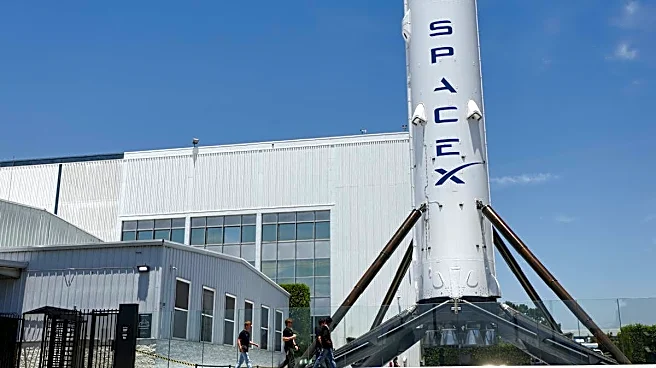
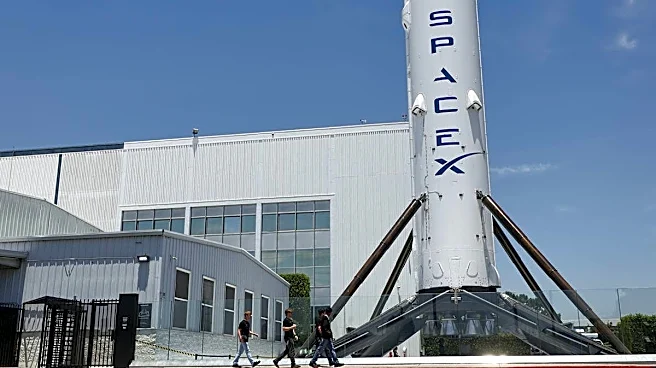
Several U.S. universities, including Washington University in St. Louis, the University of North Carolina system, Stanford, and Vanderbilt, have seen significant financial gains from their investments in SpaceX. Washington University, for instance, turned
a $50 million investment into a position worth billions, now comprising over 10% of its $17 billion in assets. These investments were made through venture capital firms and private-market funds, which have become increasingly popular. Despite the success, there are concerns about the size of these positions and the potential risks associated with SpaceX's expected volatile public-trading debut. Additionally, legal restrictions on school endowments mean these gains are currently only on paper.
Why It's Important?
The substantial returns from SpaceX investments highlight the growing trend of universities engaging in venture capital and private-market investments to bolster their endowments. This financial strategy could significantly impact the funding and resources available for educational institutions, potentially enhancing their ability to support academic programs and infrastructure. However, the concentration of assets in a single company poses risks, especially with the anticipated volatility of SpaceX's public debut. The situation also underscores a broader debate about the role of higher education in society, as SpaceX CEO Elon Musk has publicly criticized the value of college education, advocating for more vocational training.
What's Next?
Universities may need to consider strategies to manage their investment risks, such as diversifying their portfolios or hedging against potential losses. As SpaceX moves closer to a public-trading debut, these institutions will likely monitor market conditions closely to decide on the best course of action. The outcome of SpaceX's public offering could influence future investment strategies for university endowments. Additionally, the ongoing discourse about the value of higher education versus vocational training may prompt universities to reassess their educational offerings and partnerships with industries.