





What's Happening?
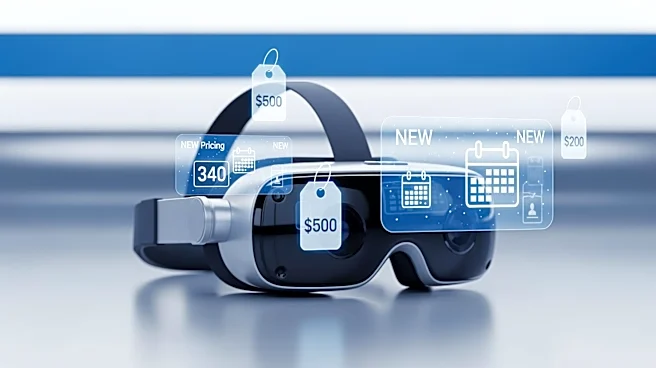
Meta, along with other major tech companies like Snap and Amazon, is advancing its augmented reality (AR) initiatives with a focus on immersive experiences and developer tools. Meta's roadmap for 2025-2026 emphasizes the development of AR software that
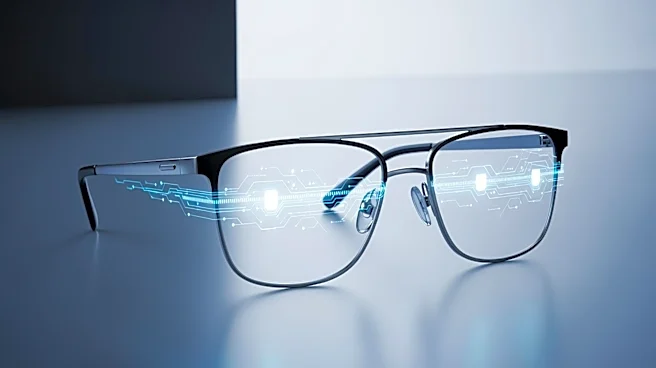
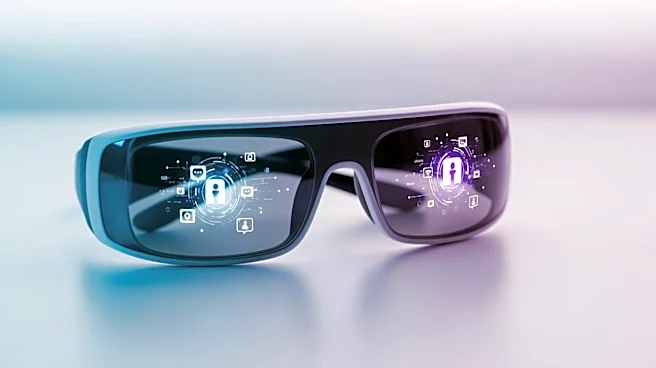
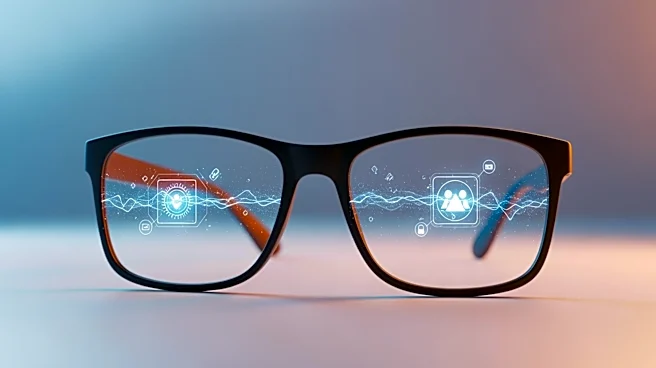
enhances hardware demand, particularly in shopping and collaboration applications. This initiative aims to make AR more accessible and appealing to consumers, even as early AR headsets remain cumbersome. Additionally, companies like Ray-Ban are collaborating on AR optics to merge style with technology, potentially making AR glasses a daily accessory. Analysts predict a significant increase in VR/AR device shipments by 2026, indicating a growing market demand.
Why It's Important?
The push towards augmented reality by major tech companies signifies a potential shift in how consumers interact with technology. By integrating AR into everyday applications like shopping and navigation, these companies aim to create a seamless user experience that could drive widespread adoption. This development could lead to increased consumer engagement and open new revenue streams for businesses. Moreover, the collaboration between tech companies and fashion brands suggests a strategic move to overcome the style barrier, making AR glasses more than just a tech novelty. The anticipated growth in AR device shipments highlights the industry's confidence in AR's future market potential.
What's Next?
As these AR initiatives progress, consumers can expect to see more AR-integrated products and services becoming available. Companies will likely continue to refine their AR offerings, focusing on improving user experience and overcoming current hardware limitations. The success of these initiatives will depend on consumer acceptance and the ability of companies to deliver practical and stylish AR solutions. Additionally, the industry may see increased competition as more companies enter the AR space, driving innovation and potentially lowering costs for consumers.