








What's Happening?
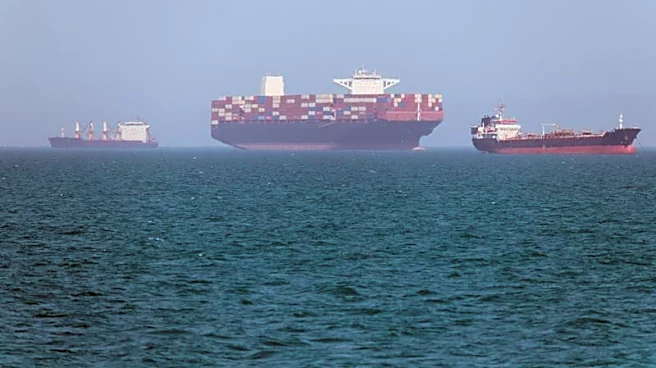
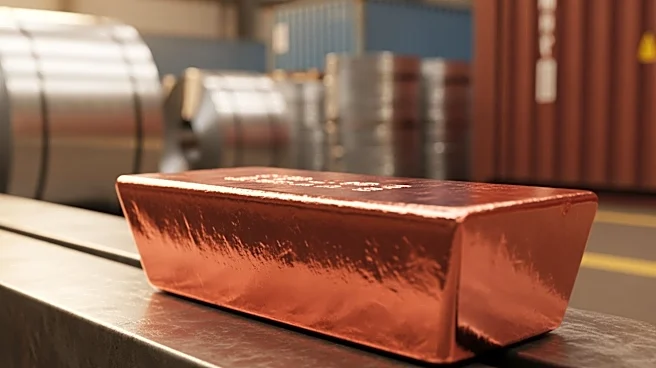
Analysts and traders have indicated that the United States is unlikely to surpass its 2025 record of refined copper imports this year. This is attributed to already high stockpiles and increased logistics costs stemming from the Iran war. Copper prices
on COMEX are currently higher than the London Metal Exchange benchmark, which has led to renewed inflows to the US. However, the potential imposition of tariffs by President Trump on copper imports remains a concern. Last year, the US saw a significant increase in copper imports due to anticipated tariffs, with COMEX stocks rising dramatically. Although refined copper was exempted from tariffs, the possibility of future tariffs continues to influence market behavior. In the first quarter of this year, US copper imports exceeded 500,000 tons, but analysts doubt this pace can be maintained due to current stock levels and rising logistics costs.
Why It's Important?
The potential inability to maintain high levels of copper imports could have significant implications for the US economy and industries reliant on copper. The metal is crucial for various sectors, including construction and electronics. A decrease in imports could lead to supply constraints, affecting production and potentially increasing costs for businesses. Additionally, the ongoing geopolitical tensions and logistics challenges could exacerbate these issues, leading to further market volatility. The situation underscores the importance of stable trade policies and the impact of international conflicts on domestic markets.
What's Next?
The market will closely monitor any decisions by President Trump regarding tariffs on copper imports, as this could significantly impact future import levels. Additionally, stakeholders will watch for developments in the Middle East that could affect logistics costs. Businesses reliant on copper may need to explore alternative supply chains or adjust their strategies to mitigate potential disruptions. The situation also highlights the need for strategic stockpiling and diversification of supply sources to ensure stability in the face of geopolitical uncertainties.