

What's Happening?
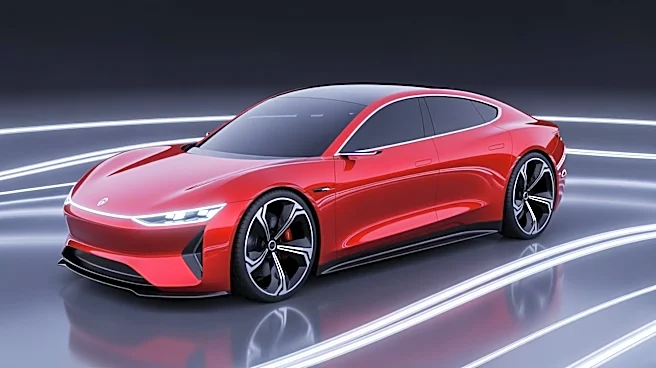
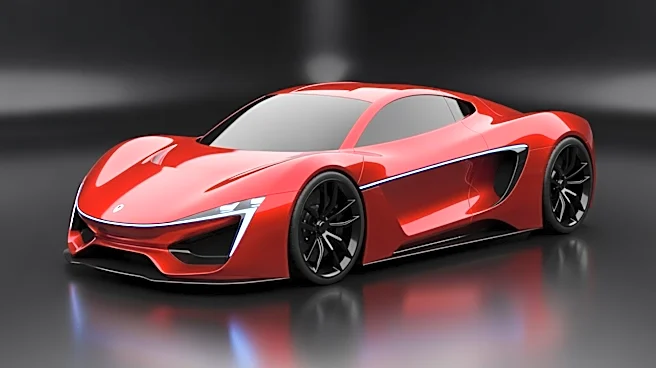
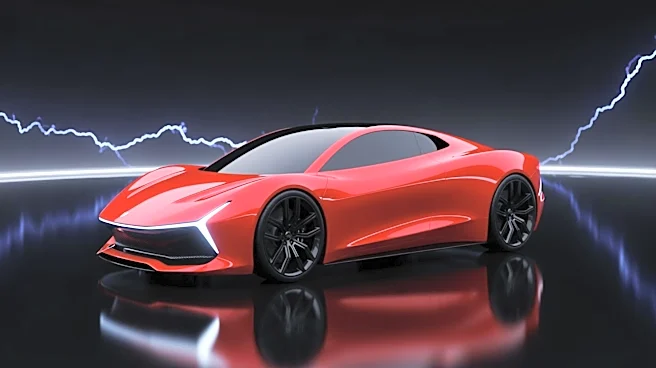
Ferrari has introduced its first fully electric vehicle, the Luce, marking a significant step in the company's transition towards electric mobility. The Luce features a powertrain with four radial-flux permanent-magnet synchronous motors, delivering a peak
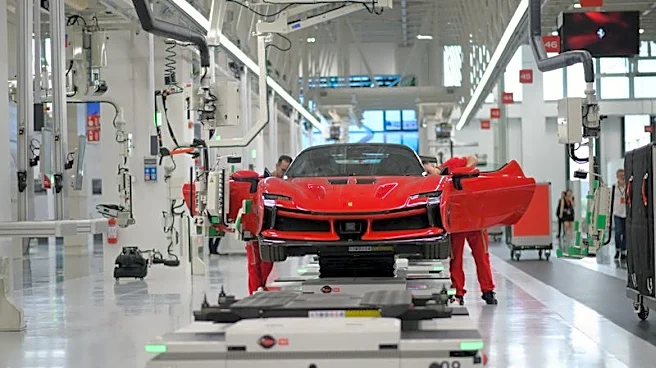
output of 772 kW and a maximum torque of 990 Nm. This allows the vehicle to accelerate from 0 to 100 km/h in just 2.5 seconds, with a top speed exceeding 310 km/h. The Luce is built on an 800-volt platform, incorporating a high-voltage battery and inverters, all manufactured at Ferrari's new E-Building in Maranello. The vehicle's battery, developed in collaboration with SK On, offers a capacity of 122 kWh and an estimated range of up to 530 kilometers. The Luce is designed with four doors and five seats, a departure from Ferrari's traditional two-seater sports cars, and features a spacious interior with advanced digital displays and controls.
Why It's Important?
The launch of the Luce represents Ferrari's strategic shift towards electric vehicles, aligning with global trends in reducing carbon emissions and promoting sustainable transportation. By 2030, Ferrari aims for electric models to constitute 20% of its product portfolio, with hybrids making up 40%. This move is crucial for Ferrari to remain competitive in the evolving automotive market, where consumer demand for electric vehicles is increasing. The Luce's advanced technology and performance capabilities demonstrate Ferrari's commitment to maintaining its reputation for high-performance vehicles while embracing new, environmentally friendly technologies. This transition could influence other luxury car manufacturers to accelerate their own electric vehicle development, potentially reshaping the luxury automotive industry.
What's Next?
Ferrari plans to continue expanding its electric vehicle lineup, with the Luce serving as a foundation for future models. The company will likely focus on refining its electric technology and enhancing the driving experience to meet the expectations of its clientele. As the Luce undergoes homologation, the final range and performance specifications will be confirmed, potentially impacting its market reception. Ferrari's approach to integrating electric technology with traditional driving dynamics could set new standards in the luxury electric vehicle segment. The success of the Luce may also prompt Ferrari to explore additional electric models, further diversifying its offerings and solidifying its position in the electric vehicle market.
Beyond the Headlines
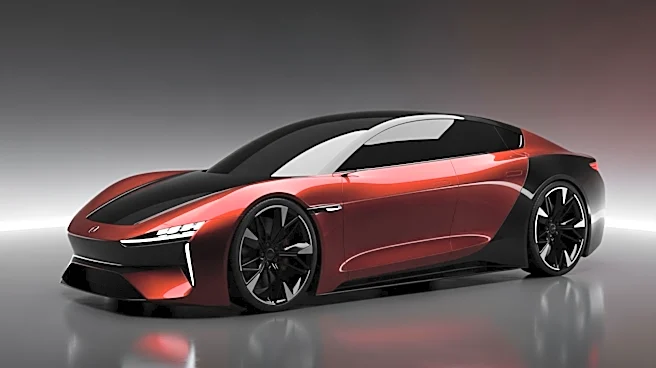
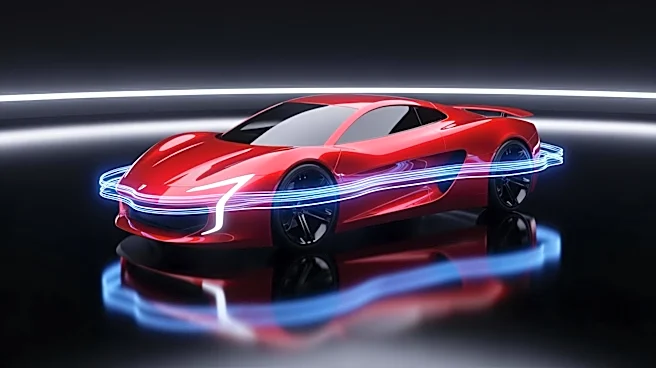
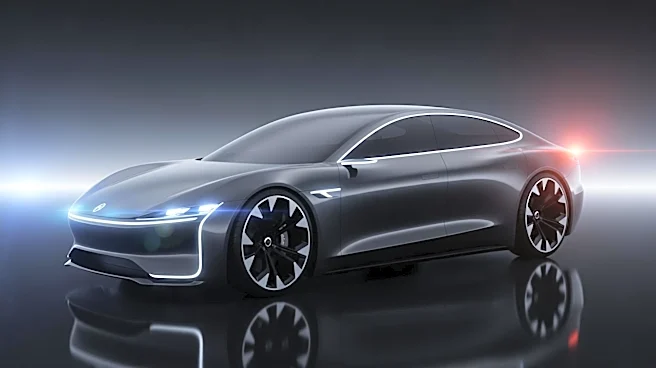
The introduction of the Luce highlights the broader cultural shift within the automotive industry towards sustainability and innovation. Ferrari's collaboration with SK On for battery development and its emphasis on integrating advanced technology into its vehicles reflect a growing trend of cross-industry partnerships to achieve technological advancements. The Luce's design, which includes a 'Glass House' architecture and aerodynamically optimized features, underscores the importance of aesthetics and functionality in electric vehicle design. Additionally, Ferrari's decision to forgo artificial engine sounds in favor of real-time processed axle vibrations suggests a new direction in how electric vehicles can offer unique sensory experiences. This approach may influence how other manufacturers design the acoustic profiles of their electric vehicles, potentially leading to a new era of automotive sound design.