


What's Happening?
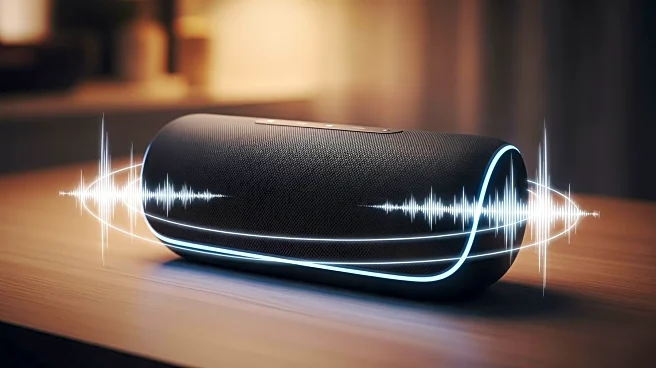
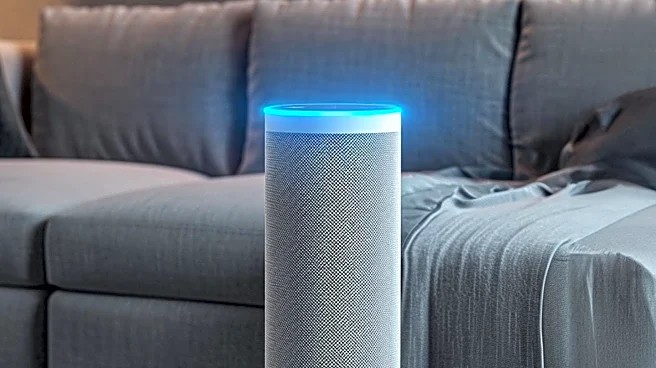
A recent discussion highlights growing concerns about privacy related to voice-controlled devices like Amazon's Alexa, Google Assistant, and Apple's Siri. These devices are designed to activate upon hearing a 'wake' word, subsequently recording and analyzing conversations. However, there are instances where these devices may 'mishear' sounds, leading to unintended activation. This has raised privacy concerns, especially during intimate or professional conversations. Users can mitigate these concerns by turning off the microphone or deleting recorded conversations. The discussion emphasizes the importance of understanding how these devices interact with users and the environment.
Why It's Important?
The increasing prevalence of voice-controlled devices in homes raises
significant privacy issues. As these devices become more integrated into daily life, the potential for unintended eavesdropping grows, posing risks to personal and professional privacy. This situation underscores the need for users to be vigilant about their privacy settings and for manufacturers to enhance security features. The broader impact includes potential changes in consumer trust and behavior, as well as regulatory scrutiny over data privacy practices. Stakeholders, including tech companies and consumers, must navigate these challenges to balance convenience with privacy.
What's Next?
As privacy concerns persist, it is likely that tech companies will face pressure to improve the security and transparency of their voice-controlled devices. This could lead to the development of more robust privacy controls and clearer user guidelines. Additionally, there may be increased advocacy for regulatory measures to protect consumer data. Users are encouraged to stay informed about privacy settings and to communicate their concerns when visiting homes with such devices. The ongoing dialogue around privacy and technology will continue to shape the future of smart home devices.