
What's Happening?
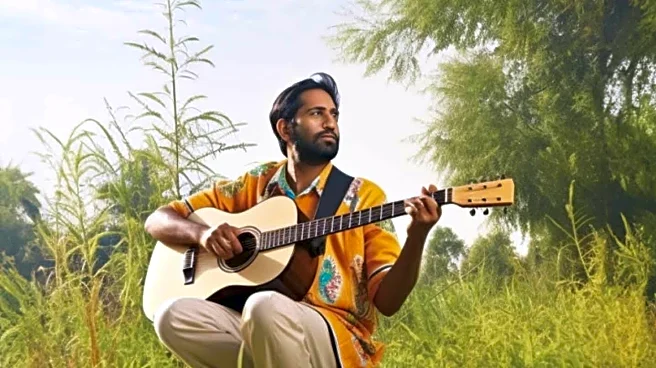
Sophia Ibrahim, a resident of Oak Brook, founded Harmony Healers as a high school freshman to leverage the therapeutic power of music. The organization, now in its third year, has grown to include over 100 active members who perform music for individuals who might otherwise miss out on live performances, such as residents in nursing homes. Ibrahim's initiative aims to provide students with an opportunity to use their musical talents for meaningful service, fostering connections and offering comfort to those who often feel isolated. The group has expanded its mission beyond music, incorporating compassionate interactions with residents, and has partnered with organizations like the Tri-M Music Honor Society and the Future Health Professionals
club to broaden its impact.
Why It's Important?
Harmony Healers highlights the significant role of music and human connection in emotional healing, particularly for isolated individuals such as nursing home residents. The initiative not only benefits the recipients of the performances but also empowers young musicians by boosting their confidence and showing them the impact of their talents. The program's success underscores the potential for arts-based initiatives to contribute to community well-being and social cohesion. By engaging students in service, Harmony Healers fosters empathy and social responsibility, which are crucial for building compassionate future leaders.
What's Next?
Harmony Healers plans to expand its reach by opening more chapters and forming stronger partnerships with nursing homes and hospitals. Sophia Ibrahim also aims to continue her research on using music as a tool for healing in post-conflict societies, advocating for its inclusion in policy-making. Her recent presentations at the European Parliament and experiences in Bosnia have inspired her to explore how music can aid in reconciliation and community rebuilding, particularly in areas affected by conflict like Ukraine.
Beyond the Headlines
The work of Harmony Healers illustrates the broader potential of integrating arts into public health and social policy. By demonstrating how music can bridge divides and foster healing, the initiative challenges traditional views on therapy and community service. It also raises important questions about the role of cultural activities in post-conflict recovery and the ways in which young people can contribute to societal healing without formal training. This approach could inspire similar programs globally, promoting peace and understanding through shared cultural experiences.