



What's Happening?
Researchers and technology companies are increasingly exploring the integration of artificial intelligence (AI) in agriculture to address water scarcity issues. As AI infrastructure expands, its potential to optimize irrigation and reduce groundwater
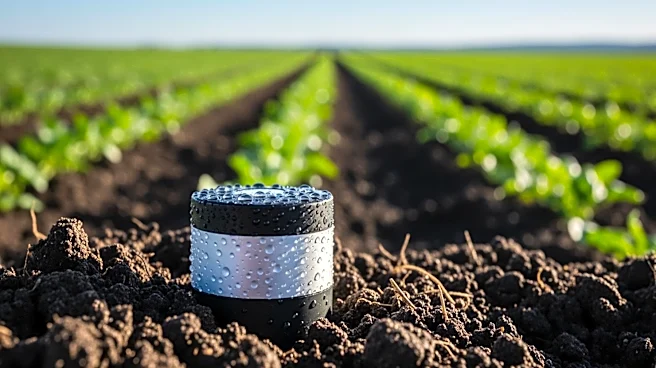
use is being examined. The agriculture sector, which accounts for a significant portion of global freshwater withdrawals, is under pressure due to population growth, aging infrastructure, and recurring droughts. AI systems, while requiring water for cooling data centers, are being developed to provide precise irrigation recommendations, potentially reducing water consumption in farming. Studies have shown that AI-assisted irrigation can lead to significant water savings while maintaining crop yields.
Why It's Important?
The integration of AI in agriculture could have profound implications for water conservation and agricultural efficiency. With groundwater resources becoming increasingly scarce, especially in regions like the High Plains, AI-assisted irrigation tools could help farmers manage water use more effectively. This technology not only promises to conserve water but also supports sustainable farming practices by maintaining crop yields. As water scarcity becomes a more pressing issue, the adoption of AI in agriculture could play a crucial role in ensuring food security and environmental sustainability. The potential for AI to transform irrigation practices highlights its importance in addressing global water challenges.
What's Next?
The development and adoption of AI-assisted irrigation systems are expected to continue, with ongoing research and collaboration between technology companies and agricultural stakeholders. As these tools become more sophisticated and accessible, they may see wider adoption among farmers. However, challenges remain, including the need for training and validation of AI-derived decisions based on field conditions and farmer experiences. The success of these technologies will depend on their ability to provide reliable, actionable insights that align with farmers' needs and goals. As AI technology matures, it could become a standard tool in agricultural water management.
Beyond the Headlines
The broader implications of AI in agriculture extend beyond water conservation. The technology could lead to a shift in farming practices, emphasizing data-driven decision-making and resource optimization. This shift may require farmers to adapt to new technologies and methodologies, potentially changing the landscape of agricultural labor and management. Additionally, the environmental footprint of AI, including its water and energy use, will need to be carefully managed to ensure that the benefits of AI in agriculture do not come at the expense of other environmental resources.