








What's Happening?
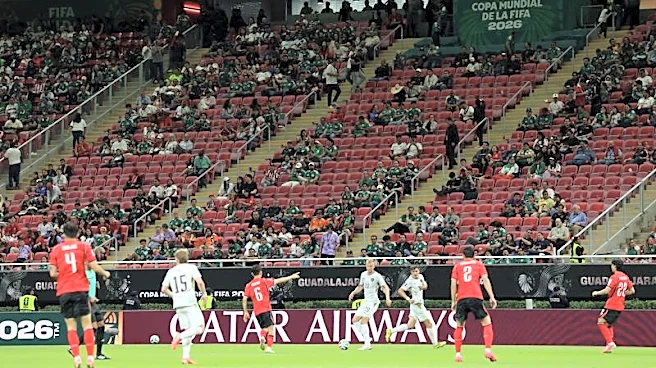
During a World Cup match between South Korea and the Czech Republic in Guadalajara, Mexico, FIFA attributed the presence of empty seats to fans choosing to watch from the concourses rather than their assigned seats. Despite the official attendance being
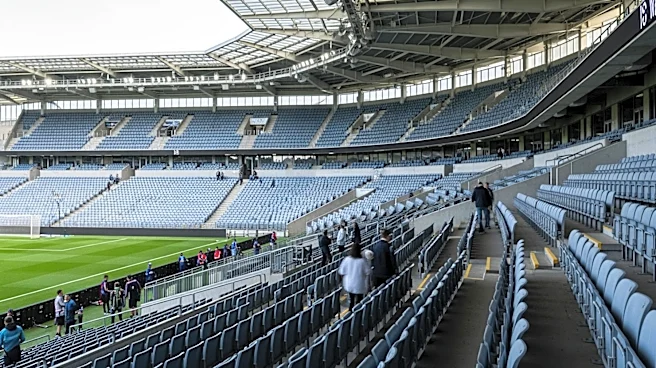
announced as 44,985, the 45,664-capacity stadium had visible empty spots. FIFA clarified that attendance figures are based on ticket scans and spectators present within the stadium footprint. Similar issues were noted in Toronto, where Canada's first World Cup match on home soil also saw some empty seats, despite a near-full stadium. FIFA has been charging record ticket prices for the tournament, which has sparked criticism.
Why It's Important?
The issue of empty seats at high-profile events like the World Cup highlights challenges in stadium management and fan engagement. FIFA's explanation points to a potential mismatch between ticket sales and actual seating occupancy, which could affect the atmosphere and perceived success of the event. The high ticket prices, justified by FIFA as fitting for the North American market, may also deter attendance, impacting revenue and fan experience. Addressing these issues is crucial for maintaining the World Cup's reputation and ensuring a positive experience for attendees.
What's Next?
FIFA may need to reassess its ticket pricing strategy and explore ways to enhance fan engagement to ensure full stadiums. This could involve improving amenities and experiences in concourses to encourage fans to remain in their seats. Additionally, monitoring and adjusting ticket sales strategies to better match demand and seating capacity could help mitigate the issue of empty seats. As the tournament progresses, FIFA's handling of these challenges will be closely watched by stakeholders and fans alike.