




What's Happening?
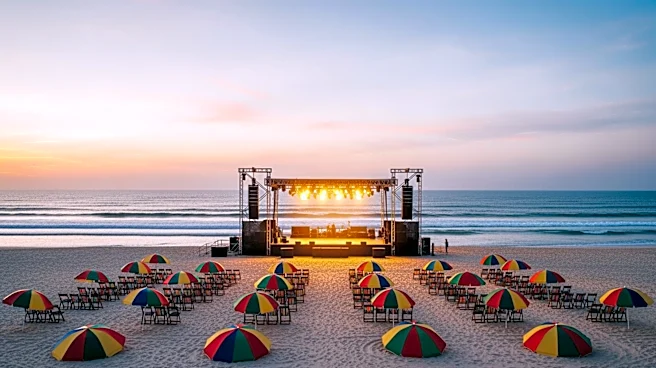
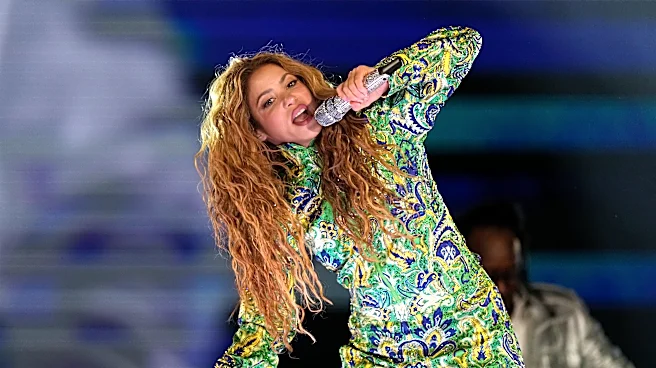
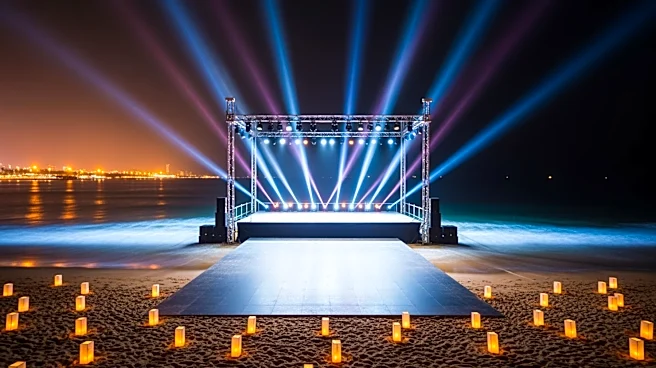
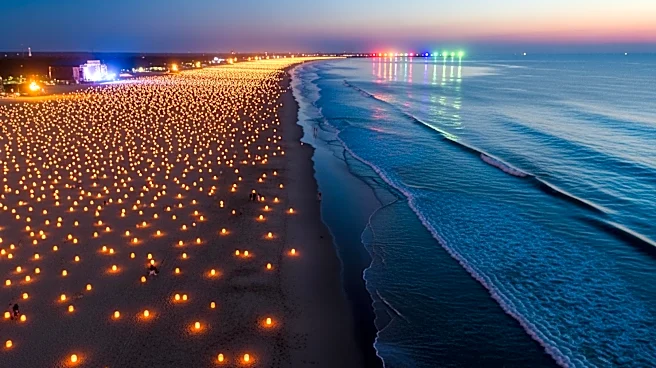
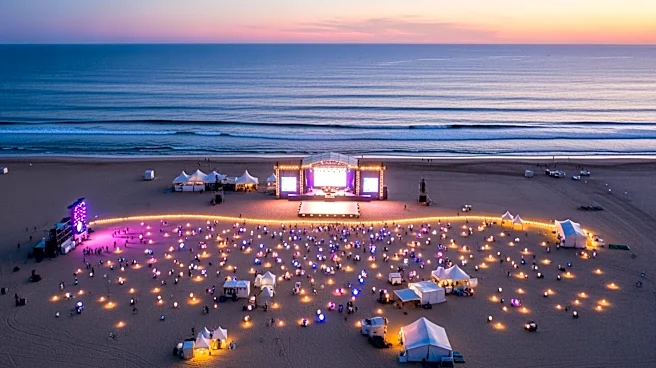
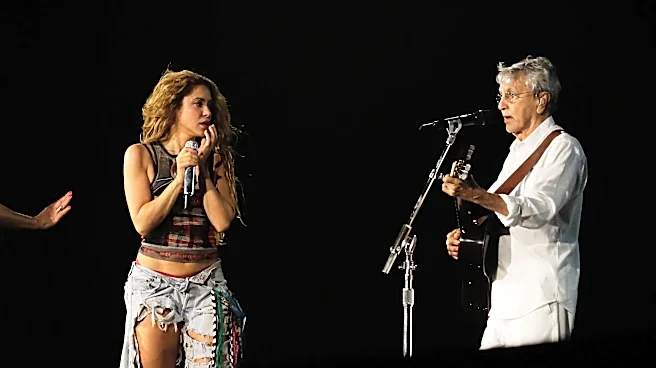
Colombian pop star Shakira performed a historic free concert on Rio de Janeiro's Copacabana Beach, drawing an estimated two million attendees. The event was part of her 'Las Mujeres Ya No Lloran' world tour and followed similar large-scale performances
by artists like Madonna and Lady Gaga. Shakira's performance included hits such as 'Hips Don't Lie' and 'La Tortura,' and concluded with 'BZRP Music Sessions #53,' a song reflecting her personal experiences. The concert was not only a musical event but also a significant economic opportunity for the city, with local officials estimating a financial impact of 777 million reais (approximately £125 million). The concert attracted fans from across Europe and Latin America, with a notable increase in Airbnb bookings reported.
Why It's Important?
The concert highlights the significant economic impact that large-scale cultural events can have on local economies. By attracting millions of visitors, such events can generate substantial revenue for local businesses, from hospitality to retail. This concert, in particular, served as a financial bridge between major festive periods in Rio, such as Carnival and the June Saint John's Day celebrations. Additionally, the event underscores the cultural influence of Latin music and its ability to unite diverse audiences, reinforcing Shakira's role as a cultural ambassador and symbol of Latin identity. The concert's success also demonstrates the potential for music and entertainment to drive economic growth and cultural exchange.
What's Next?
Following the success of the concert, there may be increased interest in hosting similar large-scale events in Rio de Janeiro and other major cities. Local governments and businesses might explore partnerships with international artists to capitalize on the economic benefits of such events. Additionally, the positive reception of Shakira's concert could encourage other artists to consider free performances as a way to engage with fans and contribute to local economies. The event may also inspire further cultural collaborations between Latin American artists and international markets, promoting cultural exchange and economic development.