
What's Happening?
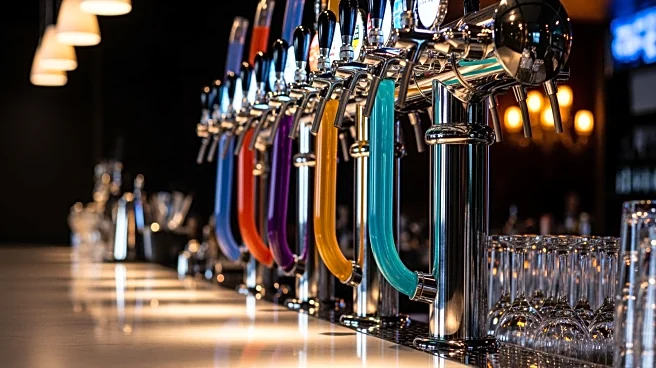
Bars and venues are increasingly adopting the practice of serving creative cocktails on tap to manage high customer volumes and reduce bartender burnout. This trend is driven by the need to maintain consistent
quality and speed in service, especially during peak times. Erick Castro-Diaz, owner of Raised by Wolves Spirits and Gilly’s House of Cocktails in San Diego, highlights the benefits of this approach, noting that it allows for the preparation of complex drinks in advance, ensuring each cocktail is served with the same quality and alcohol content. This method also alleviates the physical strain on bartenders, potentially improving staff retention. Establishments like Caffe Paradiso in Manhattan and Alamo Drafthouse movie theaters have successfully implemented this system, offering unique drinks that attract customers without compromising on quality.
Why It's Important?
The shift towards serving cocktails on tap is significant for the hospitality industry as it addresses several operational challenges. By reducing the physical demands on bartenders, it helps prevent burnout and improves job satisfaction, which is crucial in an industry known for high turnover rates. Additionally, this method allows bars to serve a higher volume of customers efficiently, enhancing customer satisfaction and potentially increasing revenue. The ability to offer unique, high-quality drinks quickly can also differentiate establishments in a competitive market, attracting a loyal customer base. However, legal considerations regarding the preparation and sale of pre-mixed cocktails must be navigated carefully to ensure compliance with state and federal regulations.
What's Next?
As more bars and venues explore the option of serving cocktails on tap, there will likely be an increase in the demand for specialized equipment and training. Establishments will need to invest in systems that allow for the safe and efficient preparation and storage of pre-mixed drinks. Additionally, there may be a push for clearer regulatory guidelines to support this growing trend, ensuring that businesses can operate within legal frameworks while meeting customer expectations. The success of this approach could lead to further innovations in how drinks are prepared and served, potentially influencing broader changes in the hospitality industry.