



What's Happening?
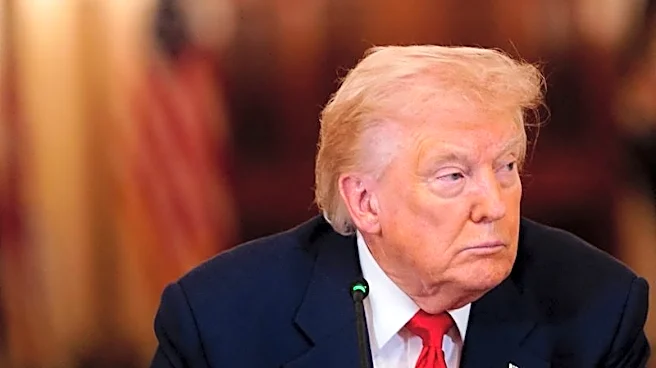
President Donald Trump has signed an executive order aimed at regulating various aspects of college sports, including NIL collectives, player transfers, and eligibility. The order seeks to impose stricter rules on player transfers, reintroducing the NCAA's
'one-time' transfer rule with exceptions for graduate transfers. It also proposes a 5-for-5 eligibility model, allowing athletes five years to play five seasons. The order includes provisions to review federal funding for schools that do not comply with NCAA rules. This move follows discussions with key figures in college sports, including former Alabama coach Nick Saban, and aims to address the financial and operational challenges facing college athletics.
Why It's Important?
The executive order represents a significant federal intervention in college sports, potentially reshaping the landscape of college athletics. By imposing stricter transfer rules and eligibility requirements, the order aims to stabilize college sports, which have been disrupted by the rise of NIL deals and frequent player transfers. This could impact the competitive balance in college sports, as well as the financial viability of athletic programs. Schools that fail to comply with the new regulations risk losing federal funding, which could have severe consequences for their athletic departments. The order also highlights the ongoing debate over the commercialization of college sports and the need for a federal legislative solution.
What's Next?
The executive order is expected to face legal challenges, as previous attempts by President Trump to regulate college sports have been struck down by courts. The order's implementation will likely be scrutinized, and lawsuits are anticipated. Additionally, the order puts pressure on Congress to pass the SCORE Act, which aims to regulate NIL payments and establish federal standards for college athletics. The outcome of these legal and legislative efforts will determine the future of college sports regulation and the balance between athlete compensation and educational priorities.