







What's Happening?
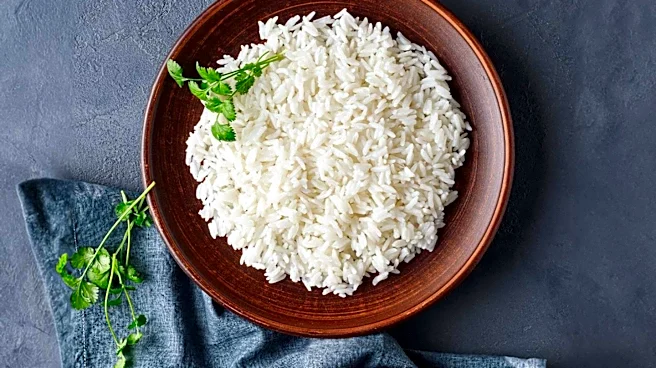
White rice is a staple food for over half of the global population, including a significant portion in the U.S. Despite its reputation for being less nutritious than whole grains, experts suggest that white rice can be part of a healthy diet when combined
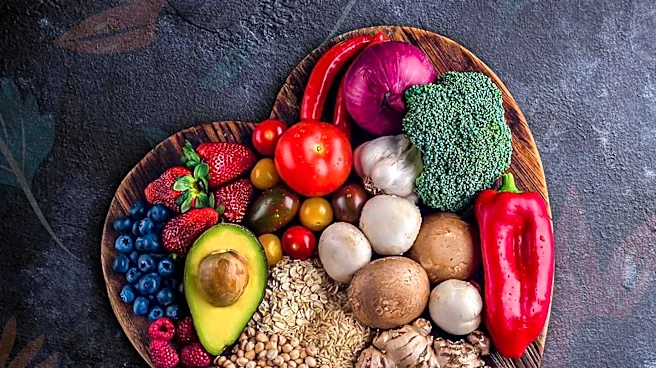
with nutrient-dense foods. Amanda Sauceda, a registered dietitian, notes that white rice is primarily a source of energy, providing carbohydrates and some protein, but lacking in fiber and micronutrients due to processing. However, most U.S. rice is enriched with essential nutrients like iron and B vitamins. Experts caution that while eating rice daily is not inherently harmful, it should be balanced with other nutrient-rich foods to avoid missing out on essential nutrients like fiber, magnesium, and antioxidants.
Why It's Important?
The discussion around white rice consumption is significant as it highlights the importance of dietary balance and nutrient diversity. For individuals focused on heart health, the low fiber content in white rice could be a concern, as fiber is crucial for lowering LDL cholesterol and supporting cardiovascular health. Additionally, diets high in refined carbohydrates like white rice may lead to blood sugar fluctuations, impacting metabolic and cognitive health. The conversation also touches on the potential risks of arsenic exposure from rice, emphasizing the need for dietary variety to mitigate such risks. This information is vital for consumers making informed dietary choices, particularly those managing conditions like diabetes or seeking to improve overall health.
What's Next?
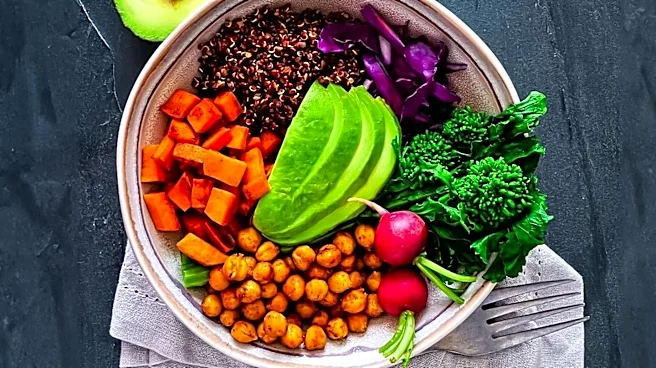
Consumers are encouraged to diversify their grain intake by incorporating whole grains like brown rice, quinoa, and farro, which offer more fiber and nutrients. For those concerned about arsenic, rinsing rice before cooking and using excess water can reduce arsenic levels. Health professionals may continue to advocate for balanced diets that include a variety of grains and nutrient-dense foods to ensure comprehensive nutritional intake. Ongoing research into the health impacts of refined grains and potential contaminants like arsenic will likely influence future dietary guidelines and consumer choices.