


What's Happening?
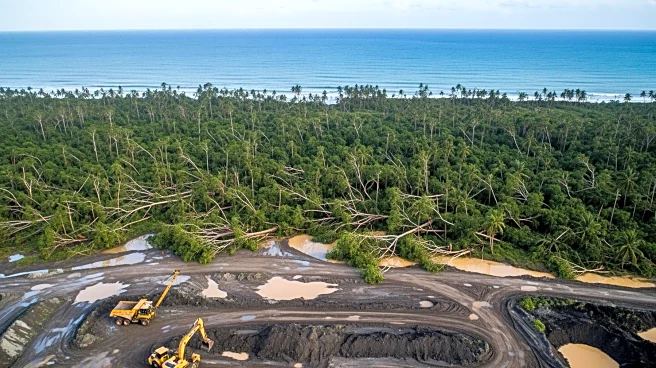
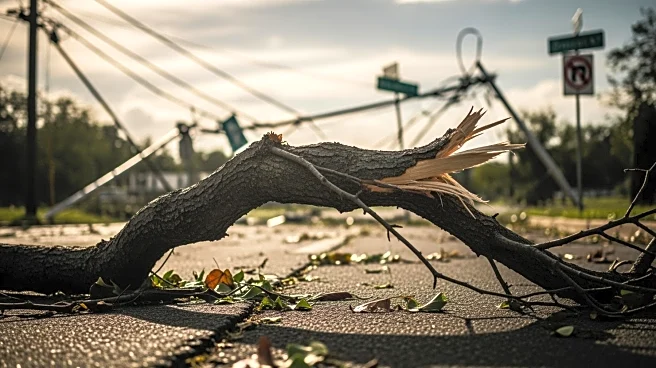
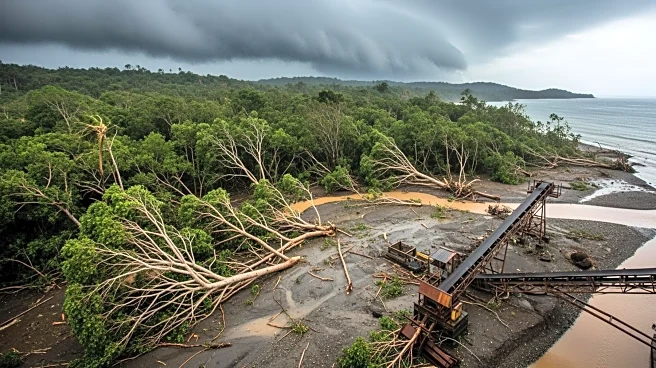
Sumitomo Corporation's Ambatovy nickel and cobalt project in Madagascar remains shut following damage caused by Tropical Cyclone Gezani. The cyclone struck the island, leading to the suspension of operations to prioritize safety. Sumitomo is currently assessing the extent of the damage to facilities and equipment, as well as the potential impact on earnings. The company is working with relevant parties to implement recovery and reconstruction measures. The timeline for resuming operations is uncertain, with initial assessments indicating it may take several weeks to fully understand the damage. The Ambatovy project, co-owned by Sumitomo and Korea Mine Rehabilitation and Mineral Resources Corporation, is a significant producer of nickel and cobalt,
essential materials for battery production.
Why It's Important?
The shutdown of the Ambatovy project due to cyclone damage has significant implications for the global supply of nickel and cobalt, both critical components in battery manufacturing. A prolonged outage could lead to increased prices for these materials, affecting industries reliant on battery technology, such as electric vehicles and consumer electronics. The situation underscores the vulnerability of supply chains to natural disasters, highlighting the need for robust risk management strategies in the mining sector. Additionally, the incident may prompt discussions on the resilience of infrastructure in cyclone-prone regions, potentially influencing future investment and operational decisions in the mining industry.
What's Next?
Sumitomo's immediate focus is on assessing the damage and planning recovery efforts. The company will likely engage with local authorities and stakeholders to expedite the restoration of operations. The outcome of these assessments will determine the timeline for resuming production. In the broader market, stakeholders will be monitoring the situation closely, as any prolonged disruption could impact global supply chains and pricing. The incident may also lead to increased scrutiny of environmental and safety practices in the mining industry, potentially influencing regulatory frameworks and operational standards.