



What's Happening?
The Museum of Modern Art (MoMA) is redefining its role by shifting from a traditional museum model to a dynamic cultural platform. Gabriela Lancellotti, MoMA's associate marketing director, emphasizes the importance of creating emotionally resonant micro-communities
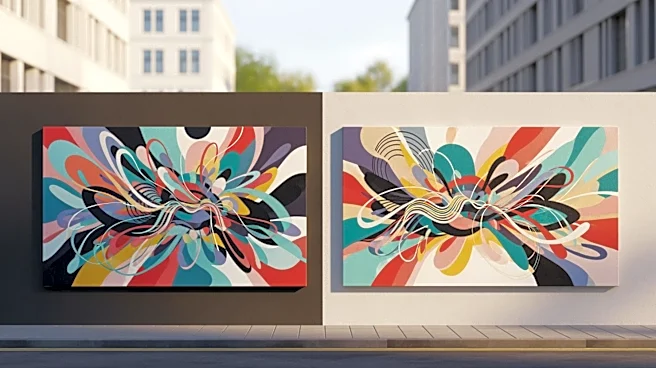
within the museum's ecosystem. This approach involves treating the museum as a 'third space' for culture, inspiration, and community, akin to a bar or movie theater. MoMA aims to integrate modern art into everyday life, using campaigns that extend beyond its physical walls to engage with the city and its inhabitants. This strategy includes initiatives like artist parties and city-wide art installations, designed to foster a sense of belonging and community around art.
Why It's Important?
MoMA's strategy reflects a broader trend in marketing where brands focus on building smaller, emotionally connected communities rather than broadcasting to mass audiences. This approach is significant as it aligns with the changing consumption patterns of younger generations who seek meaningful and participatory cultural experiences. By positioning itself as a cultural platform, MoMA not only enhances its relevance in a digital age but also strengthens its connection with diverse audiences. This shift could influence other cultural institutions to adopt similar strategies, potentially transforming how art and culture are consumed and appreciated.
What's Next?
MoMA's continued evolution as a cultural platform will likely involve further integration of digital and physical experiences. The museum may expand its digital footprint and explore new ways to engage audiences through technology and social media. As MoMA continues to innovate, it may inspire other museums and cultural institutions to rethink their roles and adopt similar community-focused strategies. The success of this approach could lead to increased collaboration between cultural institutions and urban environments, fostering a more vibrant and inclusive cultural landscape.