







What's Happening?
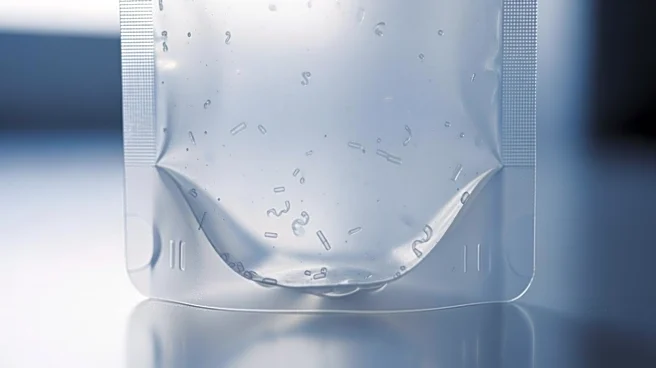
Nestlé and Danone are under scrutiny following a Greenpeace investigation that discovered microplastic particles in their baby food products. The study found microplastics in every sample of Nestlé's Gerber and Danone's Happy Baby Organics, both sold
in plastic squeeze pouches. Greenpeace reported up to 99 microplastic particles per gram in these pouches, suggesting that the plastic packaging itself may be a source of contamination. Nestlé responded by assuring consumers of the safety of their products, citing strict controls and compliance with food safety standards. Danone also defended its products, questioning the methodology of the Greenpeace study. The investigation has not yet been extended to other manufacturers, leaving open the possibility that similar issues could be present in other brands.
Why It's Important?
The findings from Greenpeace's investigation highlight significant concerns about the safety of plastic packaging in the infant nutrition sector. With microplastics potentially exposing babies to harmful particles, there is increased pressure on companies to improve transparency and innovate safer packaging materials. This issue is particularly critical as it affects a vulnerable population—infants—who rely on these products for nutrition. The scrutiny could lead to regulatory changes and push companies to adopt more sustainable practices. The reputational risk for Nestlé and Danone is substantial, as trust is a crucial factor in the infant food market. This situation underscores the broader industry challenge of balancing convenience with safety and environmental responsibility.
What's Next?
The controversy is likely to prompt further investigations into the presence of microplastics in baby food products from other manufacturers. Regulatory bodies may face pressure to establish clearer guidelines on microplastics in food, especially for products intended for infants. Companies might need to accelerate their efforts in developing alternative packaging solutions that minimize microplastic contamination. Additionally, there could be increased consumer demand for transparency and accountability from brands, potentially influencing purchasing decisions and market dynamics. The industry may see a shift towards more sustainable packaging options as a response to these findings.