
What's Happening?
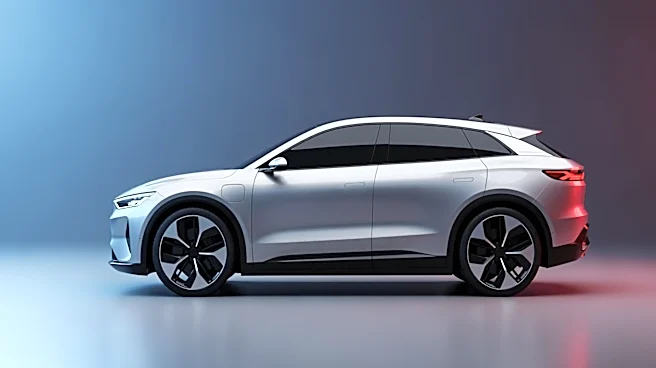
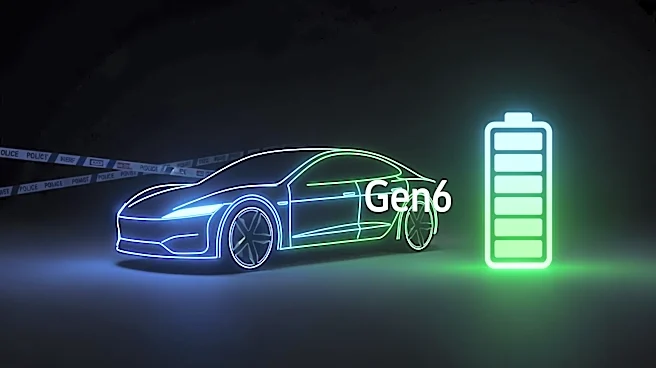
BMW has announced the integration of its sixth-generation (Gen6) battery cells in the new i7 model, achieving a supply chain CO2 footprint approximately 33% lower than the previous Gen5 cells. This reduction is accomplished through the use of secondary
raw materials for lithium, cobalt, and nickel, alongside renewable energy in cell and active material production. From 2026, selected wheel designs for the i7 will incorporate 70% secondary aluminum, with primary aluminum electrolysis and rim production partially powered by renewables. The new 7 Series variants are produced at BMW Group Plant Dingolfing, which sources 100% of its external electricity from renewable sources.
Why It's Important?
BMW's adoption of Gen6 battery technology represents a significant step towards reducing the automotive industry's carbon footprint. By utilizing secondary raw materials and renewable energy, BMW is aligning with global sustainability goals and responding to increasing consumer demand for environmentally friendly vehicles. This move not only enhances BMW's competitive edge in the electric vehicle market but also contributes to broader efforts to combat climate change. The reduction in CO2 emissions supports BMW's target to decrease emissions by at least 40 million tonnes from 2019 levels by 2030, reinforcing its commitment to achieving net zero emissions by 2050.
What's Next?
BMW's continued focus on sustainability will likely lead to further innovations in battery technology and vehicle production. The company may expand its use of secondary materials and renewable energy across more models, setting new industry standards for eco-friendly manufacturing. As BMW progresses towards its emissions reduction targets, it may also explore partnerships and collaborations to enhance its sustainability initiatives. The success of the i7's Gen6 battery integration could influence other automakers to adopt similar practices, accelerating the transition to greener automotive solutions.