





What's Happening?
For the first time, the average monthly mortgage payment for U.S. homeowners has exceeded $2,000, reaching $2,005 in the fourth quarter of 2025. This marks a significant increase of 44% from $1,390 in early 2021, highlighting the affordability challenges
in the current housing market. The rise in payments is attributed to the persistent high-rate environment, with many existing homeowners benefiting from lower rates secured before 2022. Despite the increase, over half of all outstanding mortgages still have interest rates of 4% or lower, creating a 'lock-in' effect where homeowners are reluctant to refinance at higher rates. This has led to a shift in the loan tenure distribution, with a notable increase in mortgages aged between five and seven years.
Why It's Important?
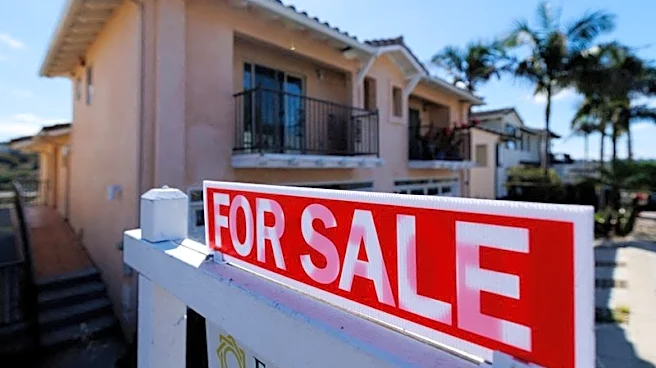
The surge in mortgage payments underscores the financial strain on new homebuyers, who face higher costs compared to existing homeowners with lower-rate mortgages. This situation has created a bottleneck in the real estate market, affecting housing affordability and mobility. The 'lock-in' effect limits the supply of homes available for sale, as homeowners are less inclined to move and incur higher mortgage costs. This dynamic impacts the broader economy by constraining consumer spending and potentially slowing economic growth. Additionally, geopolitical tensions, such as conflicts in the Middle East, have contributed to rising mortgage rates, further complicating the housing market landscape.
What's Next?
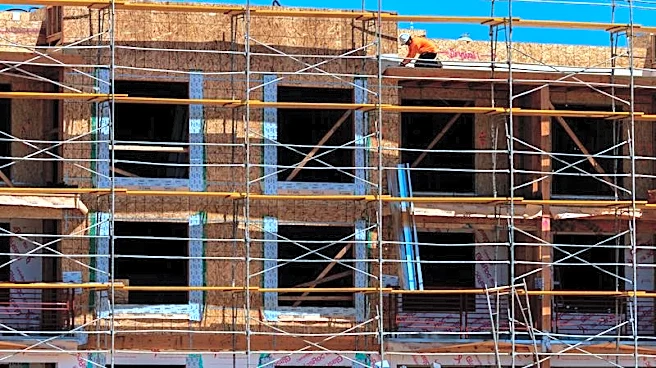
As the real estate market heads into spring 2026, there are signs of renewed activity despite the challenges. Pending home sales have increased by 3.9% year over year, and active listings have risen by 8.1% annually. However, overall resale inventory remains below pre-pandemic levels. To address the inventory gap, the market is relying on new construction, with builders offering incentives like rate buydowns to attract buyers. The ongoing geopolitical tensions may continue to influence mortgage rates, and stakeholders will be closely monitoring these developments to assess their impact on the housing market.