







What's Happening?
The manufacturing industry is undergoing a transformation with the integration of real-time data into daily management practices. This shift allows for immediate visibility into machine performance, demand fluctuations, and operational data, enabling
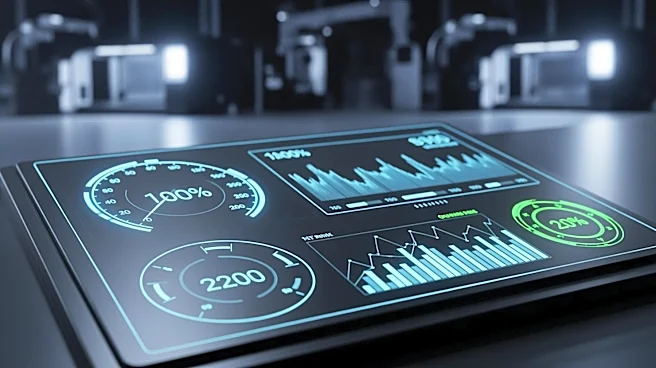
managers to make informed decisions quickly. Real-time data is visualized through dashboards that provide comprehensive insights into production lines and operator activities. This advancement reduces latency in identifying and addressing issues, which previously could take hours to detect. The use of real-time data is part of the broader Industry 4.0 movement, which emphasizes optimization and efficiency in manufacturing processes.
Why It's Important?
The adoption of real-time data in manufacturing is crucial for maintaining competitiveness in an industry that is increasingly driven by efficiency and speed. By enabling managers to respond to issues as they arise, real-time data helps minimize downtime and improve overall equipment effectiveness. This can lead to significant cost savings, as even minor inefficiencies can result in substantial financial losses. Furthermore, the ability to dynamically adjust resource allocation based on live data enhances productivity and supports better decision-making. As the manufacturing sector continues to evolve, the integration of real-time data will be essential for sustaining growth and innovation.
What's Next?
As more manufacturing companies adopt real-time data systems, there will be a growing need for training and support to ensure that workers can effectively use these tools. Companies will need to focus on making data accessible and actionable, avoiding information overload that could hinder decision-making. Additionally, the transition from legacy systems to modern data-driven platforms will require careful planning and execution. Successful integration of real-time data will depend on how well these systems are incorporated into daily workflows and embraced by employees. As the industry continues to embrace digital transformation, real-time data will play a pivotal role in shaping the future of manufacturing.
Beyond the Headlines
The shift towards real-time data in manufacturing also highlights the broader trend of digital transformation across industries. It raises questions about the future of work and the skills required to thrive in a data-driven environment. As automation and data analytics become more prevalent, there will be a growing demand for workers who can interpret and act on complex data insights. This transformation also presents opportunities for increased collaboration and innovation, as teams can work more effectively with access to real-time information. The manufacturing sector's embrace of real-time data is a microcosm of the larger changes occurring in the global economy.