
What's Happening?
An analysis by NPR has revealed that more than one-third of the 2026 FIFA World Cup matches, scheduled to take place across North America, are at high risk for dangerously hot and humid conditions. The
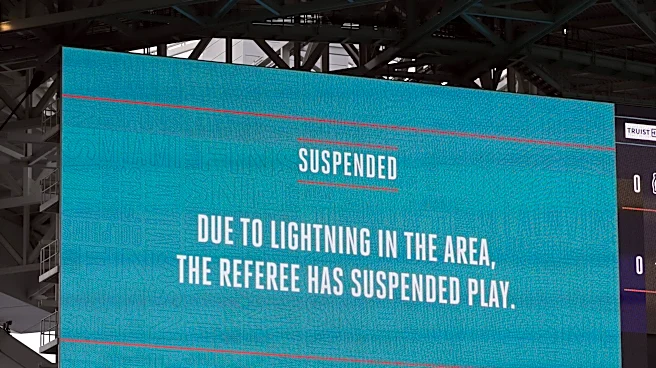
analysis, which examined two decades of temperature data for each host city, found that 67 out of 104 games are at potential risk for heat illnesses, with 39 of those at high risk. The Occupational Safety and Health Administration and the American College of Sports Medicine's heat hazard guidelines were used to assess the risk. FIFA has taken measures such as scheduling games during cooler hours, adding extra water breaks, and installing air conditioning on the sidelines. However, concerns remain about the safety of players, referees, and spectators, especially in cities like Miami, Houston, Dallas, and Atlanta, where temperatures are expected to be particularly high.
Why It's Important?
The potential for extreme heat during the World Cup poses significant health risks to players, officials, and fans. High temperatures can lead to heat exhaustion and other heat-related illnesses, which are exacerbated by the physical demands of soccer. The event's timing during the summer months, coupled with climate change, increases the likelihood of heat waves, making it crucial for organizers to implement effective safety measures. The economic impact is also significant, as the World Cup attracts millions of fans and requires substantial local resources for security and logistics. Ensuring the safety of all participants is essential to avoid health emergencies and maintain the event's reputation.
What's Next?
FIFA has planned several measures to mitigate heat risks, including scheduling games during cooler parts of the day and providing additional cooling facilities. However, questions remain about the adequacy of these measures, particularly for games scheduled during the hottest parts of the day. The organization has not specified the exact conditions that would trigger additional protections or how these will be enforced across different venues. As the event approaches, further scrutiny from health and safety experts, as well as public pressure, may lead to additional adjustments in scheduling and infrastructure to ensure participant safety.