


What's Happening?
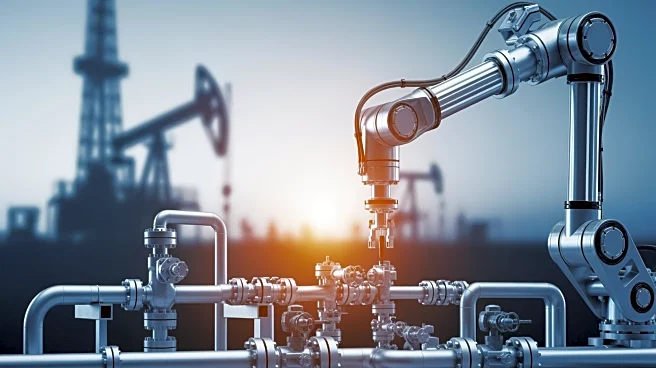
The oil and gas industry is increasingly adopting autonomous robotic missions to enhance safety, emissions control, and asset reliability. These robots, equipped with advanced sensors, perform routine inspections in hazardous environments, reducing the
need for human presence. The integration of robotics is driven by the need to manage aging infrastructure and a shrinking pool of skilled labor. Autonomous robots provide consistent, data-driven inspections, improving operational efficiency and safety. This shift is part of a broader trend towards digital transformation in the industry.
Why It's Important?
The adoption of autonomous robots in the oil and gas sector addresses critical challenges such as labor shortages and the need for improved safety and efficiency. By automating routine inspections, companies can focus human resources on critical repairs and decision-making. This technological shift enhances data accuracy and operational resilience, potentially reducing downtime and associated costs. The move towards robotics also aligns with regulatory demands for improved emissions monitoring and environmental stewardship, positioning companies to better meet compliance requirements.
Beyond the Headlines
The integration of robotics in oil and gas operations represents a significant cultural and operational shift. It challenges traditional inspection methods and requires companies to adapt their workflows and data management practices. The use of Ex-certified robots in hazardous areas highlights the importance of safety and compliance in technological innovation. As the industry faces a generational talent gap, robotics offers a solution to preserve institutional knowledge and maintain operational continuity. This evolution may also influence public perceptions of the industry, highlighting its commitment to safety and sustainability.