




What's Happening?
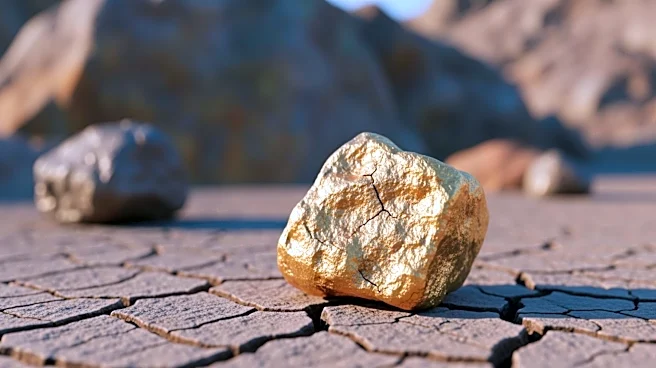
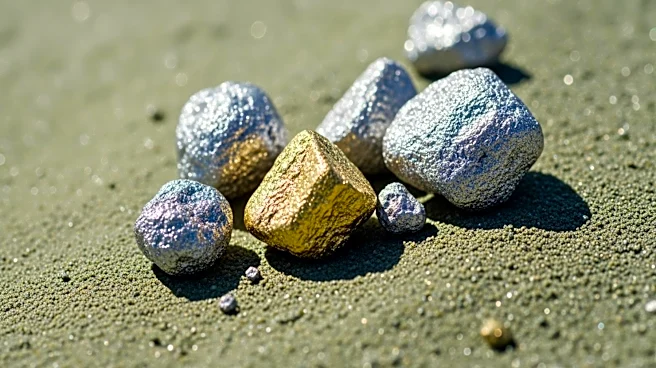
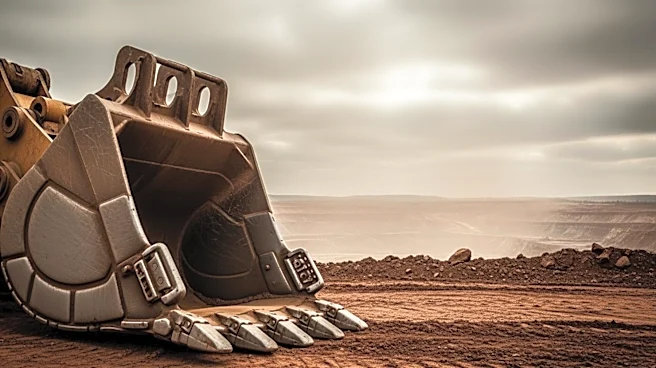
Alaska's gold mining industry, with a history spanning over 140 years, continues to evolve amidst technological advancements and economic cycles. The region's geological foundations, shaped by tectonic activity and glaciation, have created significant
gold-bearing areas. Despite the operational complexities posed by climate constraints, infrastructure costs, and regulatory challenges, Alaska remains a major gold producer. The state's gold mining operations contribute significantly to the economy, supporting thousands of jobs and generating substantial economic activity. However, the industry faces risks related to environmental regulations, community relations, and market volatility.
Why It's Important?
The gold mining industry in Alaska is crucial for the state's economy, providing jobs and supporting local communities. The industry's ability to navigate environmental and regulatory challenges is vital for its sustainability and growth. As global demand for gold continues, Alaska's mining sector could see increased investment and development, potentially boosting the state's economic output. However, balancing economic benefits with environmental protection and community interests remains a critical challenge. The industry's success in addressing these issues could serve as a model for sustainable mining practices in other regions.
What's Next?
Future developments in Alaska's gold mining industry will likely focus on expanding production capacity and improving operational efficiency. This may involve adopting advanced extraction technologies and enhancing environmental monitoring systems. The industry will also need to engage with local communities and regulatory bodies to address concerns and secure necessary permits. As new projects are developed, the potential for increased gold production could attract further investment, but this will depend on the industry's ability to manage risks and maintain compliance with environmental standards.