
What's Happening?
Exxon Mobil and Chevron, the largest oil companies in the U.S., reported a decline in first-quarter profits due to financial hedges that backfired following the U.S. and Israel's military actions against
Iran. Despite the drop in reported profits, both companies exceeded Wall Street expectations for adjusted earnings. The conflict has led to the near closure of the Strait of Hormuz, a critical chokepoint for global oil supply, causing significant disruptions in oil delivery. The resulting spike in gas prices has contributed to inflationary pressures, affecting consumers and businesses sensitive to fuel costs. The situation highlights the broader economic impact of geopolitical tensions in the Middle East.
Why It's Important?
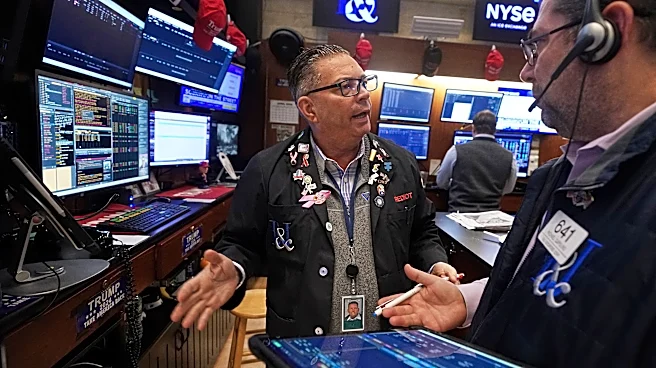
The decline in profits for major oil companies reflects the complex interplay between geopolitical events and financial markets. The closure of the Strait of Hormuz has significant implications for global oil supply and prices, affecting not only the energy sector but also the broader economy. Rising gas prices have contributed to inflation, straining household budgets and increasing operational costs for businesses. The situation underscores the vulnerability of global supply chains to geopolitical disruptions and the importance of strategic planning and risk management in the energy sector. The economic impact of the conflict may influence policy decisions and market dynamics in the coming months.
What's Next?
Oil companies and policymakers will need to navigate the ongoing challenges posed by the conflict and its impact on global oil markets. The potential for further disruptions in the Strait of Hormuz remains a concern, with implications for energy security and economic stability. Companies may need to reassess their hedging strategies and risk management practices to mitigate future financial impacts. Policymakers may consider measures to address inflationary pressures and support affected industries and consumers. The situation will likely continue to evolve, with potential for further geopolitical developments influencing market conditions.