
What's Happening?
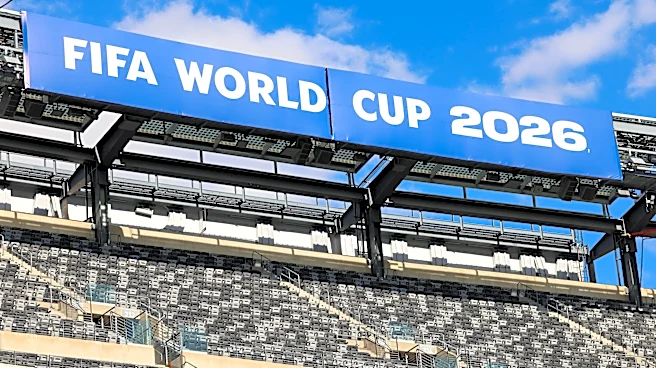
FIFA is anticipating a significant increase in the number of goals scored during the 2026 World Cup, which will be held in North America. This projection is based on the expansion of the tournament to include
48 teams, resulting in 104 matches, compared to the 64 matches played in the 2022 World Cup. The increase in matches is expected to lead to a higher total number of goals, with estimates suggesting around 373 goals could be scored if the goals-per-match rate from 2022 is maintained. This expansion marks a shift from previous tournaments, where the number of teams was limited to 32.
Why It's Important?
The expansion of the World Cup to 48 teams and the resulting increase in matches and goals is significant for several reasons. It reflects FIFA's strategy to broaden the tournament's appeal and inclusivity, potentially increasing global viewership and engagement. This change could also have economic implications, as more matches may lead to increased revenue from broadcasting rights, sponsorships, and ticket sales. Additionally, the expanded format provides more opportunities for teams from different regions to participate, potentially enhancing the competitive diversity of the tournament.
What's Next?
As the 2026 World Cup approaches, stakeholders including teams, broadcasters, and sponsors will be preparing for the logistical and operational challenges of the expanded tournament. Teams will need to strategize for the increased number of matches, while broadcasters and sponsors will aim to capitalize on the heightened global interest. FIFA will also continue discussions regarding media rights in key markets such as China and India, which remain confidential at this stage.