






What's Happening?
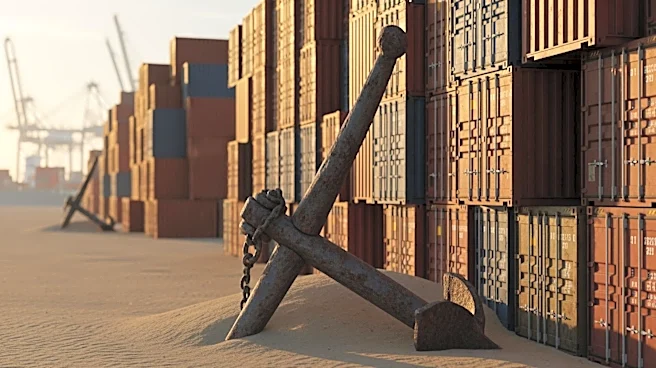
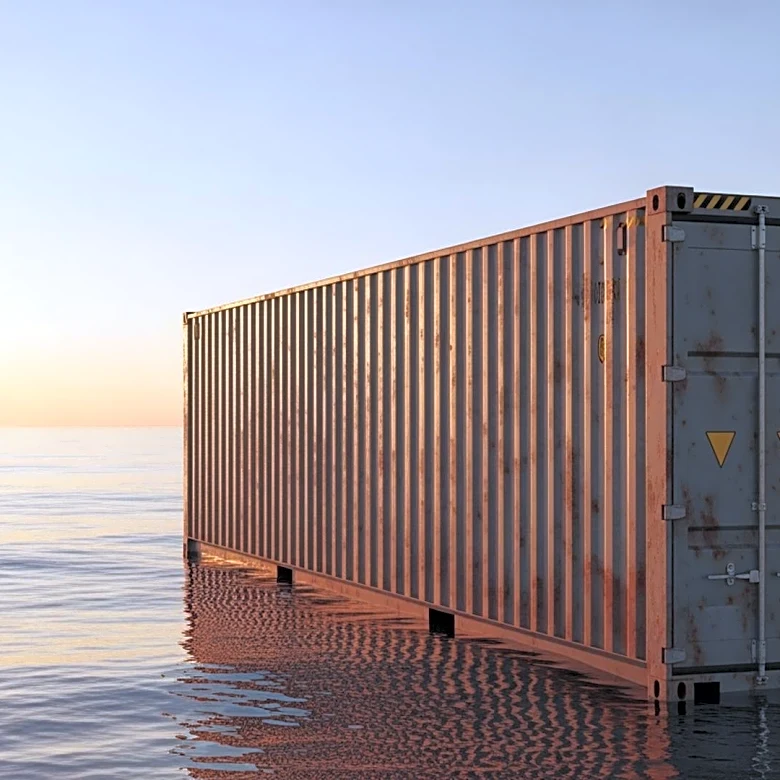
The ongoing closure of the Strait of Hormuz due to conflict with Iran is causing significant supply chain disruptions in Asia, which could soon impact the United States. The strait is a critical passage for global trade, particularly for petrochemicals
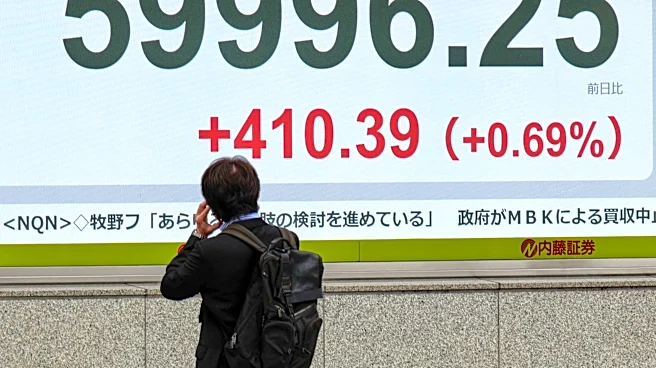
and plastics. Major petrochemical producers in Asia, such as South Korea's Yeochun and PCS in Singapore, have declared 'force majeure,' indicating their inability to meet contractual obligations. This has led to shortages in essential materials like polypropylene and polyethylene, which are crucial for various industries. The S&P 500's global supply shortages indicator has risen, reflecting increased reports of supply constraints. While the U.S. has been somewhat insulated due to diversified supply chains post-pandemic and tariff adjustments during President Trump's administration, the prolonged closure of the strait could lead to shortages in plastics and aluminum, affecting production and prices.
Why It's Important?
The potential impact on the U.S. economy is significant, as the country relies heavily on Asian imports for many consumer goods. The closure of the Strait of Hormuz threatens to disrupt the supply of essential materials, leading to increased production costs and potential shortages. This situation could exacerbate inflationary pressures, particularly in industries dependent on plastics and aluminum. The U.S. energy sector, while less reliant on Middle Eastern imports, could still face price hikes due to global oil supply constraints. Businesses that have not diversified their supply chains may find themselves particularly vulnerable. The situation underscores the interconnectedness of global trade and the potential for geopolitical events to have far-reaching economic consequences.
What's Next?
If the closure of the Strait of Hormuz continues, U.S. industries may need to seek alternative supply sources or face production slowdowns. Companies might accelerate efforts to further diversify their supply chains to mitigate risks. The U.S. government and businesses will likely monitor the situation closely, with potential policy responses to stabilize markets and support affected industries. The ongoing negotiations between the U.S. and Iran will be critical in determining the duration of the strait's closure and its broader economic impact.
Beyond the Headlines
The current supply chain crisis highlights the vulnerability of global trade networks to geopolitical tensions. It raises questions about the sustainability of current supply chain models and the need for greater resilience. The situation may prompt a reevaluation of trade policies and encourage investment in domestic production capabilities to reduce dependency on foreign imports. Additionally, the crisis could influence future international relations and trade agreements, as countries seek to protect their economic interests in an increasingly volatile global environment.