




What's Happening?
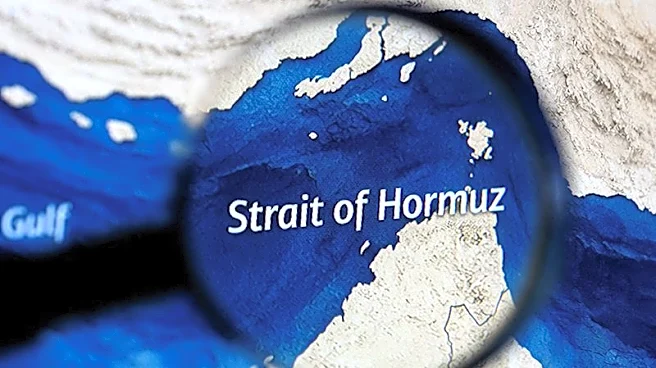
South Korea is taking proactive steps to secure its oil supply amid disruptions in the Strait of Hormuz. Kang Hoon-sik, the presidential chief of staff, will visit Kazakhstan, Oman, and Saudi Arabia to negotiate oil and naphtha supplies. This move comes
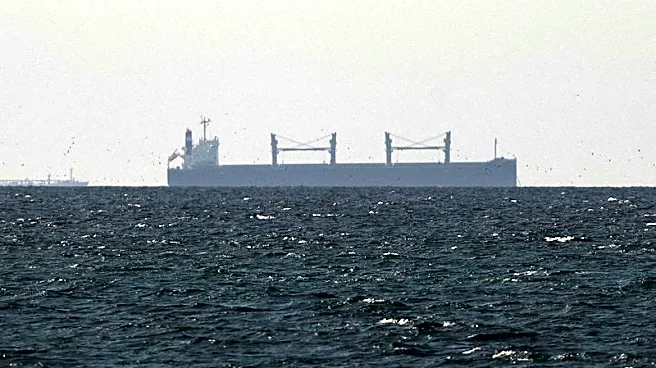
as South Korea seeks to diversify its supply routes, given that 61% of its crude oil and 54% of its naphtha imports currently pass through the Hormuz route. The country has already secured a 24-million-barrel supply deal with the United Arab Emirates, with shipments arriving at South Korean ports. The government is also working with international partners to ensure the safe passage of 26 South Korean-flagged vessels currently in the Strait of Hormuz.
Why It's Important?
The Strait of Hormuz is a critical chokepoint for global oil shipments, and disruptions there can have significant implications for energy security. South Korea's efforts to secure alternative oil supplies are crucial for maintaining its energy stability and economic resilience. This initiative is particularly important for industries reliant on stable energy supplies, such as manufacturing and transportation. By diversifying its oil import routes, South Korea aims to mitigate risks associated with geopolitical tensions in the Middle East, ensuring a steady flow of energy resources to support its economy.
What's Next?
South Korea will likely continue to strengthen its energy partnerships with Middle Eastern countries and explore further diversification of its energy sources. The government may also implement additional energy-saving measures domestically to cope with potential supply constraints. These efforts will be crucial in maintaining energy security and supporting economic growth. The outcome of Kang Hoon-sik's diplomatic mission could set the stage for long-term energy agreements and collaborations with key oil-producing nations.