
What's Happening?
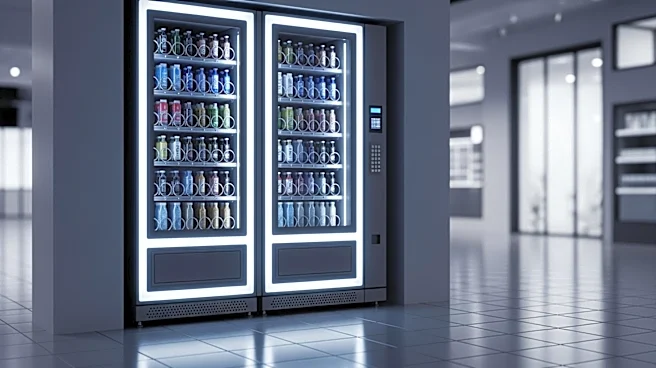
Robotic vending machines are emerging as a significant trend in retail, driven by labor shortages and changing consumer demands. These AI-driven machines, capable of producing high-quality beverages and snacks,
are becoming viable alternatives to traditional storefronts. They operate 24/7, require minimal space, and offer consistent product quality, making them attractive to operators facing high labor costs and turnover. Companies like Anno Robot are leading this shift, investing heavily in R&D and deploying machines globally in high-traffic areas such as hospitals and airports. This trend reflects a broader move towards automation in retail, as businesses seek to reduce dependency on human labor and adapt to new consumer behaviors.
Why It's Important?
The rise of robotic vending machines represents a significant shift in the retail landscape, with potential implications for labor markets and business models. As labor costs rise and staffing becomes more challenging, these machines offer a cost-effective solution, potentially reducing the need for human workers. This could lead to job displacement in traditional retail roles but also create opportunities in technology and machine maintenance. For businesses, the ability to operate continuously without staffing constraints could enhance profitability and competitiveness. The trend also highlights the growing importance of technology in retail, as companies seek to meet consumer demands for convenience and quality.
What's Next?
As robotic vending machines gain traction, businesses will likely continue to explore their potential in various settings, from airports to hospitals. The technology's success will depend on its ability to deliver consistent quality and integrate seamlessly with existing operations. Companies may also need to address consumer perceptions and ensure that the machines enhance rather than detract from the customer experience. Regulatory considerations, such as health and safety standards, will also play a role in shaping the future of this technology. As the market evolves, businesses that adapt quickly to these changes may gain a competitive edge.