




What's Happening?
SpaceX has set a new milestone in rocket reuse by launching a Falcon 9 rocket for the 35th time. The launch took place on June 8, 2026, from Space Launch Complex 40 at the Cape Canaveral Space Force Station in Florida. The Falcon 9 successfully deployed
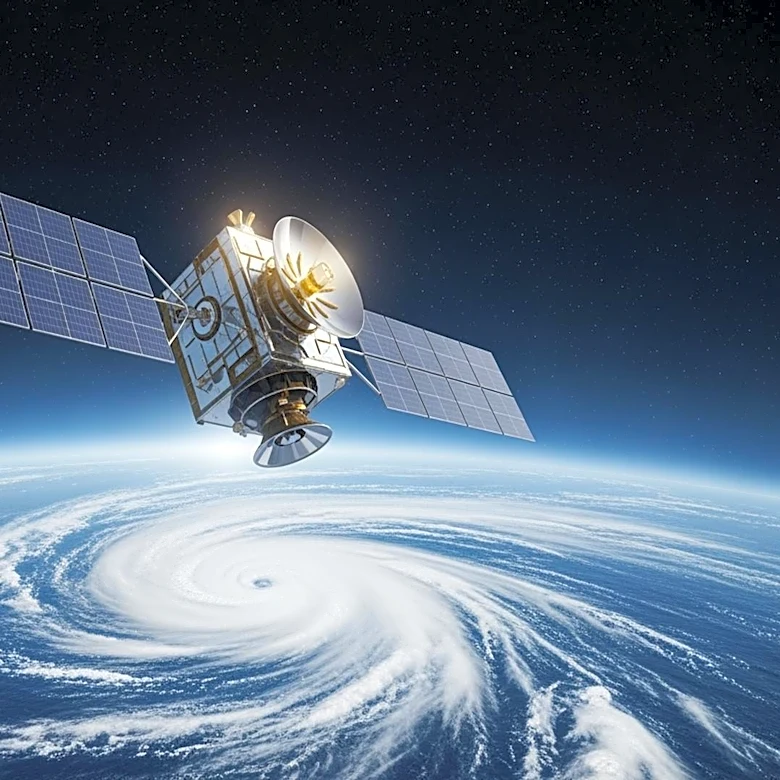
29 Starlink satellites into low Earth orbit, further expanding SpaceX's Starlink megaconstellation. This launch marks the 66th Falcon 9 flight of the year and the 660th mission in SpaceX's history. The first stage booster, known as Booster 1067, completed its 35th trip to space and back, landing on the droneship 'A Shortfall of Gravitas' in the Atlantic Ocean. This achievement brings the Falcon 9 close to the overall reuse record set by NASA's space shuttle orbiter, which flew 39 times.
Why It's Important?
The successful reuse of the Falcon 9 rocket underscores SpaceX's leadership in reducing the cost of space travel through reusable technology. By achieving a record 35 launches with a single booster, SpaceX demonstrates the viability and efficiency of its reusable rocket technology, which could significantly lower the cost of deploying satellites and other payloads into space. The expansion of the Starlink network, now with over 10,580 active satellites, enhances global broadband internet access, including in-flight wifi and direct-to-cell service for some carriers. This development is crucial for remote and underserved areas, potentially transforming global internet connectivity and bridging the digital divide.
What's Next?
SpaceX is likely to continue its aggressive launch schedule, further expanding the Starlink constellation and enhancing its global internet service. The company may also focus on breaking the current reuse record set by NASA's space shuttle orbiter. As SpaceX continues to innovate, other aerospace companies may be prompted to accelerate their own reusable rocket technologies to remain competitive. Additionally, regulatory bodies and international stakeholders will need to address the growing number of satellites in orbit, ensuring sustainable space operations and minimizing the risk of collisions.