



What's Happening?
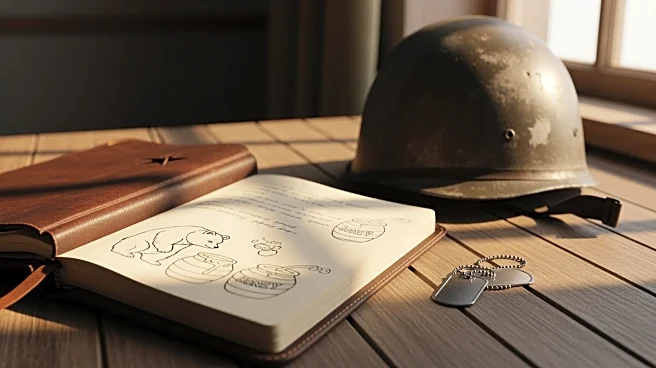
Today marks 'Winnie-the-Pooh Day,' celebrating the birth of A.A. Milne, the author behind the beloved children's character. The creation of Winnie-the-Pooh is deeply rooted in Milne's experiences as a World War I veteran. After serving in the British military and enduring the horrors of the Battle of the Somme, Milne returned home with what is now recognized as PTSD. To cope with his trauma and connect with his son, Christopher Robin, Milne crafted stories about his son's stuffed animals, including a teddy bear named after a real bear, Winnipeg, at the London Zoo. These stories, which incorporated Milne's wartime fears, became a means of healing and bonding with his son.
Why It's Important?
The story of Winnie-the-Pooh highlights the therapeutic power of storytelling
and creativity in overcoming trauma. Milne's ability to transform his wartime experiences into beloved children's tales underscores the potential for art to facilitate emotional healing. The enduring popularity of Winnie-the-Pooh, now a cultural icon through books and Disney adaptations, demonstrates the universal appeal of stories that address complex emotions in a relatable way. This narrative also sheds light on the broader issue of veterans' mental health and the importance of finding personal avenues for recovery and connection.
What's Next?
As Winnie-the-Pooh continues to be celebrated globally, the focus may shift towards exploring more about the personal histories of creators like Milne and their impact on popular culture. The centennial of Winnie-the-Pooh's creation could inspire renewed interest in the historical contexts of beloved stories and their creators' lives. Additionally, there may be increased advocacy for mental health support for veterans, drawing parallels between past and present challenges faced by those returning from conflict.
Beyond the Headlines
The story of Winnie-the-Pooh offers a deeper understanding of how personal trauma can influence creative expression. Milne's work serves as a reminder of the hidden narratives behind cultural phenomena and the potential for literature to address and normalize discussions around mental health. This case also highlights the evolving perception of PTSD and the importance of acknowledging and supporting mental health needs in both historical and contemporary contexts.