

What's Happening?
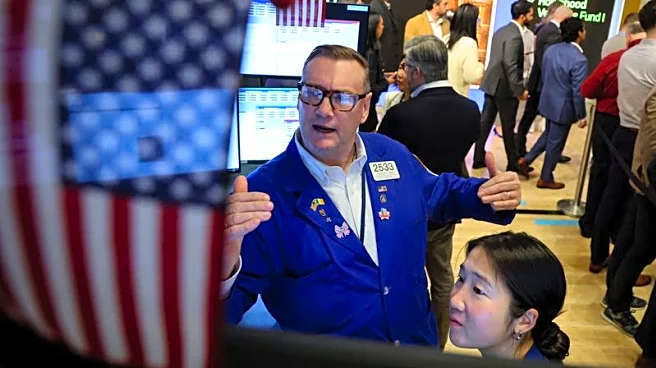
Citadel Securities has shifted its focus from inflation to growth risks as the ongoing conflict involving Iran continues to affect global markets. The firm notes that while inflation concerns have been prevalent due to rising oil prices, the potential
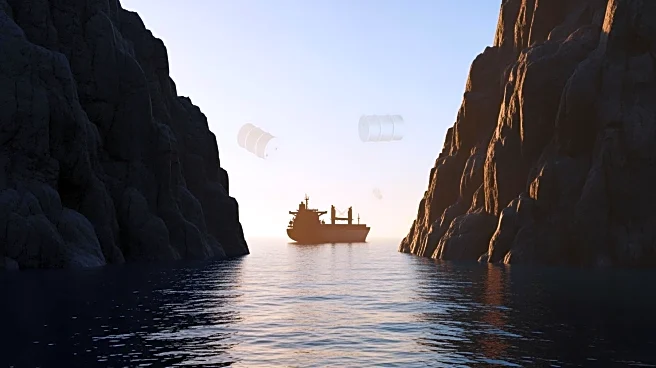
for a slowdown in economic growth is becoming a more significant risk. The closure of the Strait of Hormuz, a critical passage for oil shipments, exacerbates these concerns. Citadel's macro strategist, Frank Flight, emphasizes the need for safe passage through the Strait to prevent further financial strain. The firm has adjusted its stance on U.S. fixed income, turning neutral after previously holding a short bias, as it anticipates potential shifts in global interest rates.
Why It's Important?
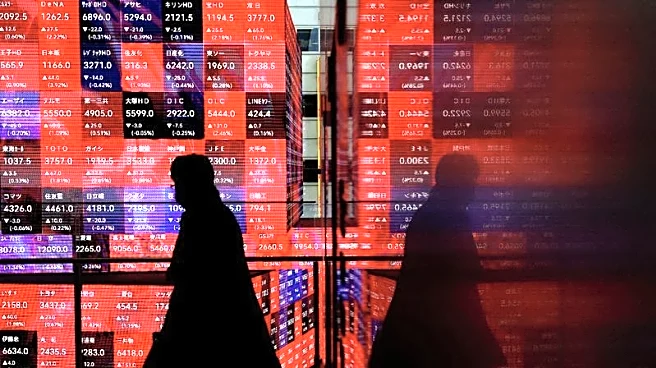
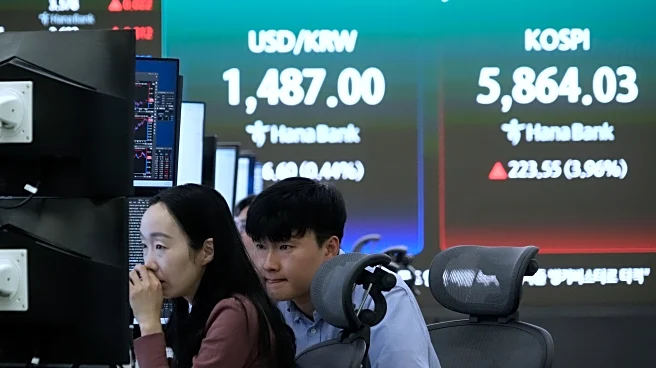
The situation underscores the interconnectedness of geopolitical events and economic stability. The potential for a prolonged conflict could lead to significant disruptions in global oil supply, impacting industries reliant on energy imports. Investors and markets may face increased volatility, with equities and credit markets potentially experiencing downturns if growth risks are not adequately addressed. The shift in focus from inflation to growth risks highlights the delicate balance central banks must maintain in managing interest rates and stimulating economic activity. The outcome of this situation could influence fiscal policies and investor strategies, particularly in sectors sensitive to energy prices.
What's Next?
If the conflict persists and the Strait of Hormuz remains closed, markets may need to brace for further disruptions. Investors might seek safer assets, such as bonds, while equities could face downward pressure. Central banks may consider adjusting interest rates to mitigate economic slowdowns. The situation calls for close monitoring of geopolitical developments and their impact on global trade and energy markets. Stakeholders, including governments and financial institutions, may need to collaborate on strategies to ensure economic resilience and stability.