

What's Happening?
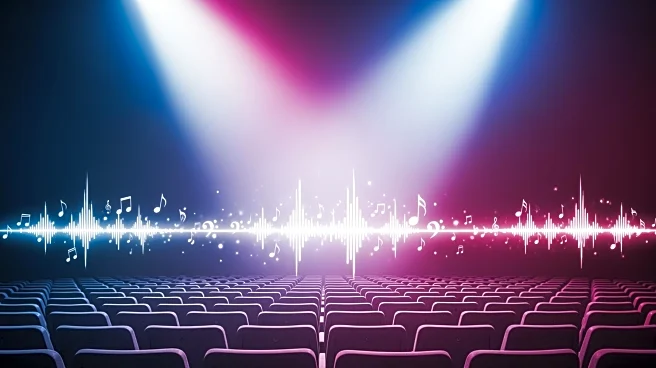
Bad Bunny, the Puerto Rican superstar, has set a new attendance record at Sydney's ENGIE Stadium during his world tour. The concerts, held on February 28 and March 1, attracted nearly 90,000 fans, marking the first time a Latin artist has sold out a stadium
in Australia. This achievement follows Bad Bunny's recent successes, including a historic Grammy win for his Spanish-language album and a widely viewed Super Bowl halftime performance. The concerts in Sydney were part of a global tour that has seen increased demand due to Bad Bunny's rising international profile.
Why It's Important?
Bad Bunny's record-breaking concerts in Sydney highlight the growing global influence of Latin music and its artists. This event underscores the increasing cultural exchange between Latin America and other regions, such as Australia, where Latin music is gaining popularity. The success of these concerts also reflects the power of global streaming and social media in expanding an artist's reach beyond traditional markets. For the music industry, this trend represents new opportunities for cross-cultural collaborations and market expansion, potentially leading to more diverse musical offerings worldwide.
What's Next?
Following the success in Sydney, Bad Bunny's tour is set to continue in Europe, where similar demand is expected. The artist's management and tour organizers will likely focus on maintaining the momentum by strategically selecting venues and leveraging his growing fan base. Additionally, the music industry may see more Latin artists embarking on global tours, capitalizing on the genre's rising popularity. This could lead to increased investment in Latin music and more international collaborations, further solidifying its place in the global music scene.
Beyond the Headlines
The cultural impact of Bad Bunny's concerts extends beyond music, as they have become significant cultural events celebrating Latin heritage. In Sydney, the concerts were accompanied by community events and celebrations of Latin culture, indicating a broader acceptance and appreciation of diverse cultural expressions. This phenomenon may encourage other artists to incorporate cultural elements into their performances, fostering a more inclusive and multicultural entertainment landscape.