


What's Happening?
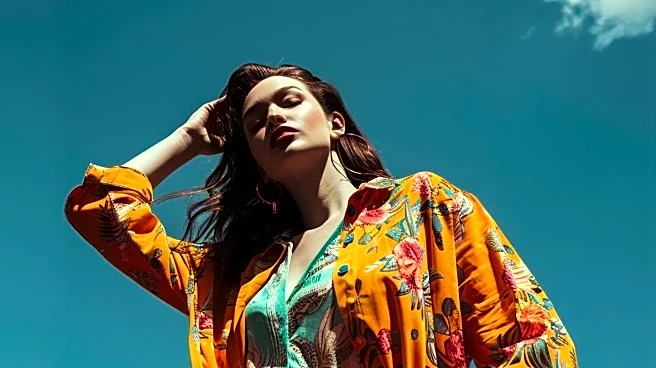
As festival season kicks off, fashion enthusiasts are embracing a shift from traditional boho chic styles to more personalized and versatile outfits. This change is evident in the offerings from various brands and designers who are catering to the evolving
tastes of festival-goers. While classic elements like breezy knitwear and colorful accessories remain popular, there is a growing trend towards unique and individualistic fashion choices. Notable items include leather boots from Brooklyn-based designer Suzanne Rae, innovative phone case wristlets from Ossa New York, and statement necklaces from Vancouver-based jewelry brand Kara Yoo. These pieces reflect a broader trend of festival fashion moving away from uniformity towards self-expression.
Why It's Important?
The shift in festival fashion trends signifies a broader cultural movement towards individuality and personal expression. This change impacts the fashion industry by encouraging designers and brands to innovate and offer more diverse and unique products. It also reflects a societal trend where consumers are increasingly seeking to express their identities through fashion. This evolution in festival attire could influence mainstream fashion, leading to a wider acceptance of eclectic and personalized styles. For the fashion industry, this means adapting to new consumer demands and potentially reshaping marketing strategies to highlight individuality over traditional trends.
What's Next?
As festival season progresses, it is likely that more brands will release collections that cater to this demand for personalized fashion. Designers may continue to experiment with new materials, styles, and accessories that allow festival-goers to stand out. Retailers might also expand their offerings to include more bespoke and limited-edition items. Additionally, the success of these trends could lead to collaborations between established brands and independent designers, further diversifying the fashion landscape. The response from consumers will be crucial in determining the longevity of these trends and their potential impact on future fashion seasons.