
What's Happening?
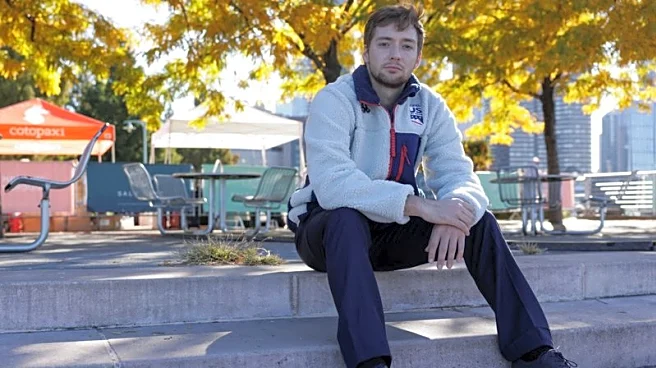
President Donald Trump has publicly criticized Hunter Hess, a U.S. freestyle skier competing in the Winter Olympics in Italy, for expressing mixed emotions about representing the United States. Hess stated
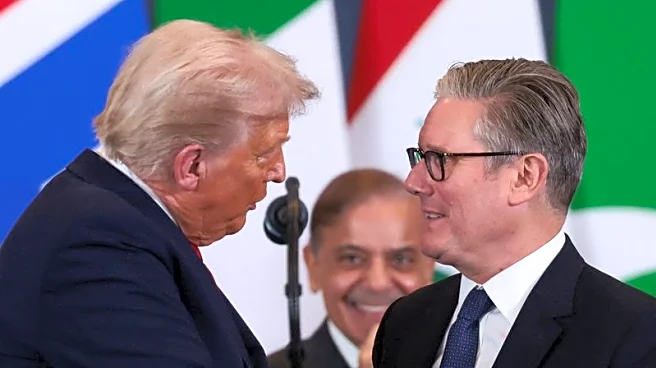
that while he is wearing the U.S. flag, he does not necessarily represent everything happening in the country, citing personal disagreements with current events. Trump responded on Truth Social, labeling Hess a 'real loser' and questioning his decision to join the Olympic team if he does not fully support the country. Trump's comments reflect ongoing tensions in the U.S. regarding national representation and political expression.
Why It's Important?
The exchange between President Trump and Hunter Hess highlights the intersection of sports and politics, particularly in the context of international representation. Athletes often serve as unofficial ambassadors for their countries, and their personal views can influence public perception. Trump's criticism underscores the expectation for athletes to align with national sentiments, which can be challenging in a politically divided environment. This incident may affect public support for Hess and could influence how athletes express their political views in the future, potentially impacting their careers and public image.
What's Next?
As the Winter Olympics continue, it remains to be seen how Hess's comments and Trump's reaction will affect his performance and reception by fans. Other athletes may also face scrutiny over their political views, prompting discussions about the role of sports in political expression. The U.S. Olympic Committee may need to address these issues to ensure athletes feel supported while representing the country. Additionally, Trump's comments could spark further debate about patriotism and the expectations placed on athletes in international competitions.