
What's Happening?
Hyundai and Kia have reached a nationwide settlement to address vulnerabilities in their vehicles' anti-theft technology. The settlement, led by Minnesota Attorney General Keith Ellison and joined by 35
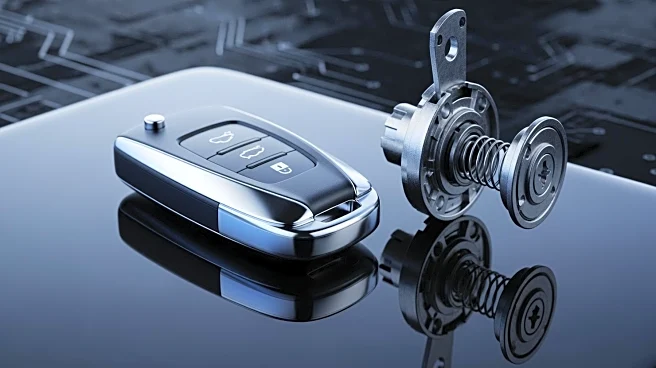
states, mandates that the automakers offer free repairs to millions of vehicles that were not equipped with proper anti-theft technology. This issue led to a significant increase in thefts, particularly after videos on social media demonstrated how to steal these cars using simple tools. The settlement requires Hyundai and Kia to install engine immobilizers in all future U.S. vehicles and to pay up to $4.5 million in restitution to individuals whose vehicles were damaged by theft. The repairs, which include installing a zinc sleeve to protect the ignition cylinder, will be available from early 2026 through early 2027.
Why It's Important?
This settlement is significant as it addresses a widespread security flaw that has led to a surge in vehicle thefts, impacting both consumers and insurance companies. The lack of engine immobilizers in U.S. models, despite their presence in vehicles sold in Mexico and Canada, has resulted in increased crime and associated costs. The settlement not only aims to rectify past oversights but also sets a precedent for automotive security standards in the U.S. The financial implications are substantial, with repair costs potentially exceeding $500 million. This move is expected to restore consumer confidence and reduce the burden on law enforcement and insurance providers dealing with the fallout from these thefts.
What's Next?
Eligible vehicle owners will have one year from the notice date to obtain the free repairs at authorized dealerships. Hyundai and Kia are expected to continue collaborating with law enforcement to combat vehicle theft and address the role of social media in promoting such crimes. The automakers have committed to ongoing efforts to enhance vehicle security and customer support. The industry will likely see increased scrutiny on vehicle security features, potentially leading to regulatory changes or new standards for anti-theft technology in the automotive sector.