






What's Happening?
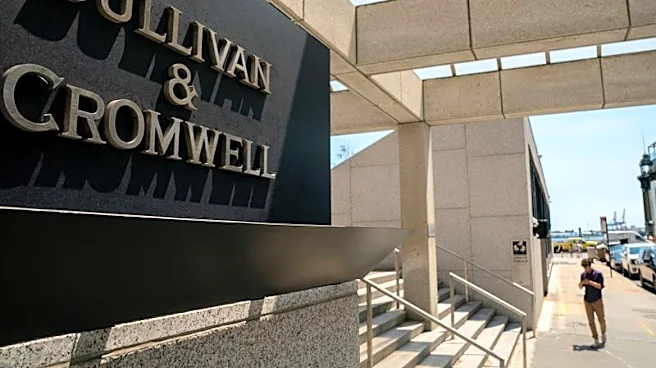
Sullivan & Cromwell, a prestigious law firm, has admitted to submitting court filings containing errors generated by artificial intelligence (AI). The errors, referred to as 'hallucinations,' include fabricated case citations and misquoted authorities.
The firm has comprehensive policies and training requirements for AI use, which were not followed in this instance. The errors were identified in a motion filed on April 9, 2026, and the firm has undertaken immediate remedial measures, including a full review of the circumstances leading to these errors. Sullivan & Cromwell has apologized to the court and other parties involved, and a corrected version of the motion is being filed.
Why It's Important?
The incident highlights the challenges and risks associated with the use of AI in legal work. As AI tools become more prevalent, ensuring their accuracy and reliability is crucial, especially in fields like law where precision is paramount. The errors could undermine trust in AI applications and prompt law firms to reassess their reliance on such technologies. This situation also underscores the importance of rigorous oversight and verification processes to prevent similar occurrences in the future. The firm's response and corrective actions may set a precedent for how legal institutions handle AI-related errors.
What's Next?
Sullivan & Cromwell is evaluating whether further enhancements to its internal training and review processes are warranted. The firm is likely to implement stricter protocols to ensure compliance with its AI policies. Other law firms may also review their AI usage policies to avoid similar issues. The legal industry might see increased scrutiny and regulation of AI tools to safeguard against inaccuracies. Stakeholders, including clients and courts, will be watching closely to see how the firm addresses these challenges and restores confidence in its practices.
Beyond the Headlines
The incident raises ethical questions about the reliance on AI in professional settings. It prompts a discussion on the balance between technological advancement and human oversight. The legal industry may need to consider the implications of AI errors on justice and accountability. This situation could lead to broader conversations about the role of AI in decision-making processes and the potential need for industry-wide standards and guidelines.