



What's Happening?
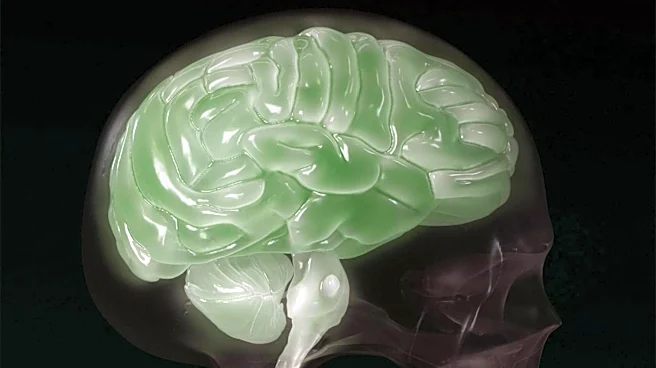
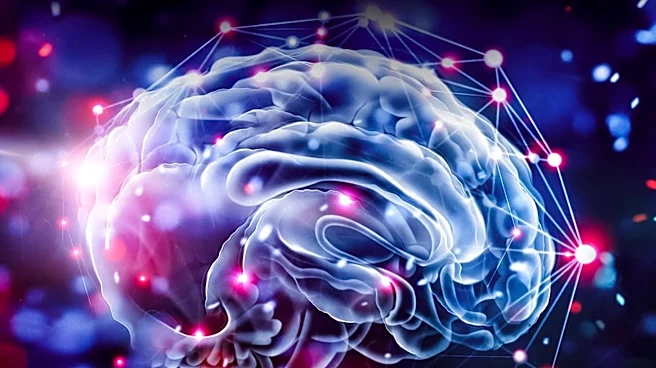
Psychologist Melissa Maffeo, in her book 'Science of the Supernatural,' explores the psychological and environmental factors that may lead individuals to perceive ghostly presences. According to Maffeo, disruptions in the temporoparietal junction of the brain,
which is responsible for self-location, can cause strange sensations and misinterpretations, such as sleep paralysis. This condition occurs when the brain's message to suspend muscle movement during REM sleep persists upon waking, leading to terrifying immobility. Additionally, high electromagnetic fields and infrasound can influence temporal lobe activity, causing hallucinations and time distortions. Maffeo also highlights the role of schizotypy, a personality trait characterized by magical thinking and disorganized behavior, in increasing susceptibility to paranormal beliefs.
Why It's Important?
Understanding the psychological and environmental factors that contribute to ghost sightings can have broader implications for mental health and scientific inquiry. By identifying these factors, researchers can better address the fears and anxieties associated with perceived paranormal experiences. This knowledge can also inform the development of therapeutic interventions for individuals who experience sleep paralysis or other related phenomena. Furthermore, the study of these factors can contribute to a more comprehensive understanding of human perception and cognition, challenging the boundaries between science and the supernatural.