



What's Happening?
Suno, an AI music-generation company, has successfully raised $400 million in a Series D funding round, bringing its valuation to $5.4 billion. This development comes despite ongoing legal challenges from major music industry players like Universal Music
Group (UMG) and Sony. These companies have accused Suno of using their copyrighted songs to train its AI without permission, a claim that Suno defends under the fair use doctrine. The legal battles began in 2024 when Sony and UMG alleged that Suno had used 560 of their songs, a number that has since increased to over 61,000. Despite these challenges, Suno remains popular, with users generating over 7 million songs daily on its platform.
Why It's Important?
The significant investment in Suno highlights the growing interest and confidence in AI-driven music technology, even as it faces substantial legal hurdles. The outcome of these lawsuits could set important precedents for the use of copyrighted material in AI training, potentially impacting the broader tech and music industries. If Suno's fair use defense is upheld, it could pave the way for more AI companies to utilize copyrighted content without direct licensing, altering the landscape of intellectual property rights. Conversely, a ruling against Suno could reinforce the need for stricter licensing agreements, affecting how AI companies operate and innovate.
What's Next?
As Suno continues to expand, the resolution of its legal disputes will be crucial. The company may seek to negotiate settlements or licensing agreements with more music rights holders, similar to its previous deal with Warner Music Group. The ongoing litigation could also prompt legislative or judicial clarification on the application of fair use in AI training, influencing future legal frameworks. Meanwhile, Suno's ability to maintain its growth and user engagement will be closely watched by investors and industry stakeholders.
Beyond the Headlines
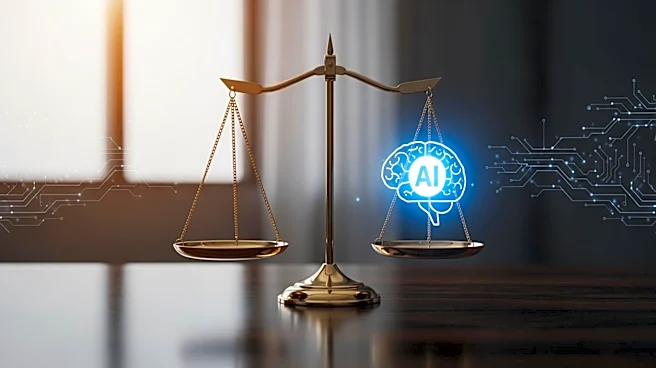
The Suno case underscores the ethical and legal complexities of AI development, particularly in creative fields. It raises questions about the balance between innovation and intellectual property rights, as well as the responsibilities of tech companies in respecting artists' work. The situation also highlights the potential for AI to disrupt traditional industries, prompting discussions on how to integrate new technologies while safeguarding existing economic and cultural ecosystems.