






What's Happening?
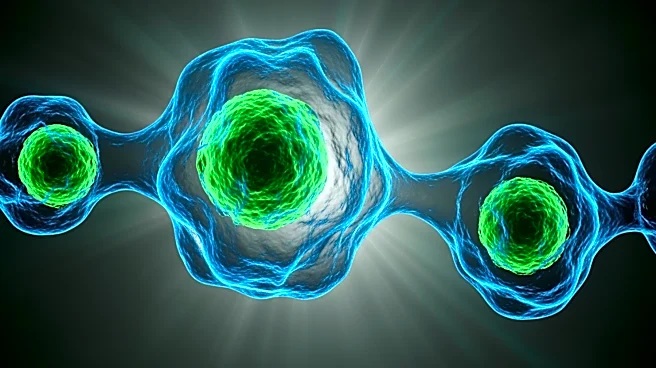
A recent study published in Cell reveals that B cells, a type of immune cell, play a surprising role in enhancing exercise endurance and muscle strength. Conducted by researchers at Tsinghua University, the study found that B cells, traditionally known
for their role in fighting pathogens, also support muscles during exercise. This discovery was made through experiments on mice, where those with reduced B-cell counts showed decreased endurance on a treadmill. The study suggests that B cells act as intermediaries between the immune system and organs involved in exercise, marking a significant conceptual advance in understanding the immune system's functions beyond pathogen defense.
Why It's Important?
This finding could have significant implications for both sports science and medical research. Understanding the role of B cells in exercise endurance could lead to new strategies for enhancing athletic performance and developing treatments for muscle-related conditions. It also opens up new avenues for research into how the immune system interacts with other bodily systems, potentially leading to breakthroughs in managing autoimmune diseases and improving overall health. The study highlights the complex interplay between the immune system and physical fitness, suggesting that immune health could be a critical factor in athletic training and recovery.
What's Next?
Further research is needed to explore the mechanisms by which B cells influence muscle function and endurance. Scientists may investigate whether similar effects occur in humans and how these findings can be applied to improve athletic performance or treat muscle-related diseases. Additionally, the potential for developing therapies that target B cells to enhance physical fitness or manage immune-related conditions could be explored. Collaboration between immunologists and sports scientists could lead to innovative approaches in both fields.
Beyond the Headlines
The study challenges traditional views of the immune system, suggesting that its functions extend beyond pathogen defense to include roles in metabolism and physical performance. This could lead to a reevaluation of how immune health is considered in various aspects of medicine and wellness. The findings also raise questions about the potential for immune-based interventions in enhancing quality of life and longevity, particularly in aging populations where muscle strength and endurance decline.