






What's Happening?
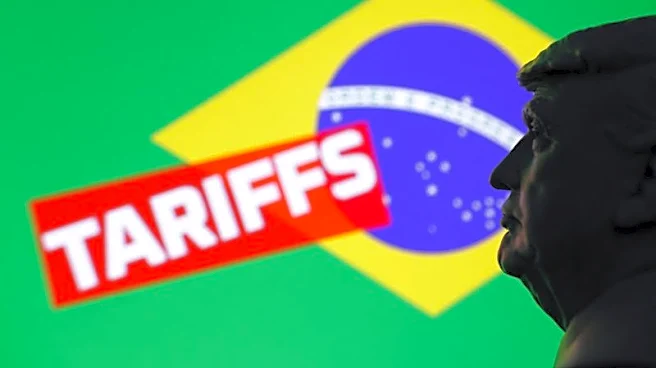
The United States Trade Representative (USTR) has proposed new tariffs on 60 countries under Section 301 of the Trade Act of 1974. This move comes as the current 10% Section 122 tariffs are set to expire in late July. The USTR's proposal targets countries that
have failed to enforce bans on the importation of goods produced with forced labor, which the USTR deems unreasonable and burdensome to U.S. commerce. The proposed tariffs include a 10% duty on countries with partial compliance and a 12.5% duty on others. This action follows a series of investigations into structural excess capacity and production in manufacturing sectors.
Why It's Important?
The proposed tariffs reflect the U.S. government's commitment to addressing forced labor in global supply chains, a significant ethical and economic issue. By imposing tariffs, the USTR aims to pressure trading partners to enforce labor standards, potentially leveling the playing field for American workers. However, the tariffs could also lead to increased costs for U.S. businesses and consumers, as companies may pass on the additional expenses. The move underscores the complexity of international trade relations and the challenges of balancing economic interests with human rights concerns.
What's Next?
As the USTR's proposal moves forward, affected countries may respond with negotiations or retaliatory measures. The U.S. government will likely continue to engage with international partners to address forced labor issues collaboratively. Businesses impacted by the tariffs may need to adjust their supply chains and pricing strategies to mitigate potential financial impacts. The situation remains fluid, with further developments expected as the expiration of the current tariffs approaches.