







What's Happening?
The ongoing conflict in Iran has exposed a significant divide between European and U.S. oil majors in terms of trading and production strategies. European companies like BP, Shell, and TotalEnergies have reported substantial profits from their trading operations,
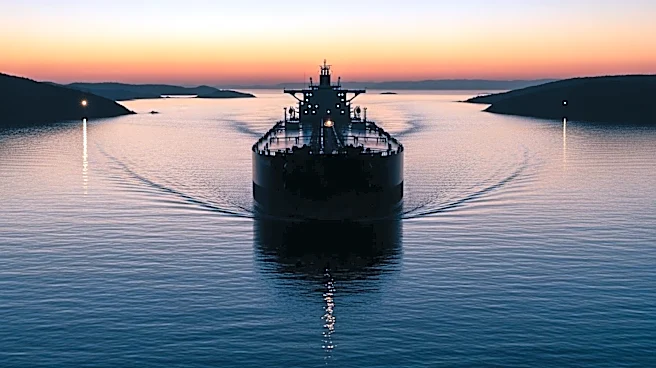
which have been bolstered by the disruption in oil supply chains. These companies have developed extensive trading networks that allow them to capitalize on price dislocations. In contrast, U.S. giants Exxon Mobil and Chevron have focused more on production, with less emphasis on trading. The conflict has trapped a significant portion of global oil supply in the Gulf, leading to increased volatility and opportunities for trading profits.
Why It's Important?
The divide between European and U.S. oil majors underscores differing strategic approaches within the industry. European companies' focus on trading has allowed them to benefit from the current market volatility, while U.S. companies' emphasis on production positions them to capitalize on high oil prices. This situation highlights the importance of flexibility and adaptability in the energy sector, as companies navigate geopolitical risks and market fluctuations. The conflict in Iran serves as a reminder of the potential for regional tensions to impact global supply chains and the need for diversified strategies to mitigate risks.
What's Next?
As the conflict in Iran continues, oil companies will likely reassess their strategies to address the ongoing volatility in the market. European majors may continue to leverage their trading capabilities, while U.S. companies might explore ways to enhance their trading operations. The situation could also prompt discussions on energy security and the need for diversified energy sources. Stakeholders, including governments and industry leaders, will likely monitor developments closely, considering potential policy adjustments and strategic investments to ensure stability and resilience in the energy sector.