









What's Happening?
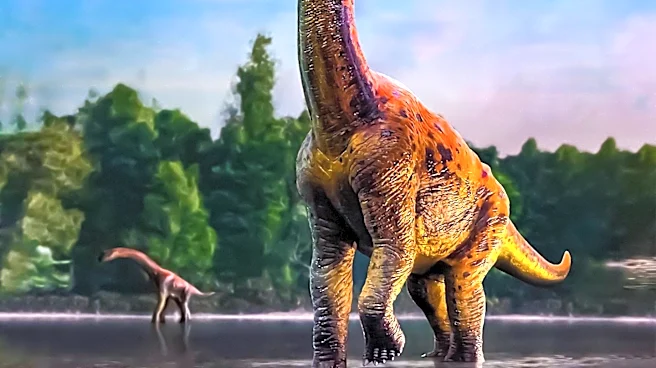
Steve Brusatte, a palaeontologist at the University of Edinburgh, has released his latest book, 'The Story of Birds,' which delves into the evolutionary history of birds from their dinosaur origins. The book is noted for its rigorous scientific account
combined with a compelling narrative. Brusatte, known for his previous works on dinosaurs and mammals, explores how birds evolved from dinosaurs, highlighting key discoveries such as the Archaeopteryx fossil. The book also discusses the survival and diversification of birds following the mass extinction event 66 million years ago, which wiped out many dinosaur species. Brusatte's work is praised for making complex scientific concepts accessible to a general audience.
Why It's Important?
The book's exploration of bird evolution provides significant insights into the broader understanding of evolutionary biology and the history of life on Earth. By tracing the lineage of birds back to dinosaurs, Brusatte's work underscores the interconnectedness of life forms and the impact of evolutionary processes. This knowledge is crucial for both scientific communities and the public, as it enhances the appreciation of biodiversity and the evolutionary mechanisms that shape it. Additionally, the book's success in communicating complex ideas to a lay audience highlights the importance of science communication in fostering public interest and understanding of scientific topics.
What's Next?
Brusatte's work may inspire further research into the evolutionary history of birds and other species, potentially leading to new discoveries about the origins and adaptations of life on Earth. The book's success could also encourage more scientists to engage in public science communication, bridging the gap between scientific research and public understanding. As the field of palaeontology continues to evolve, new technologies and methodologies may provide deeper insights into the evolutionary history of birds and other species, further enriching our understanding of the natural world.
Beyond the Headlines
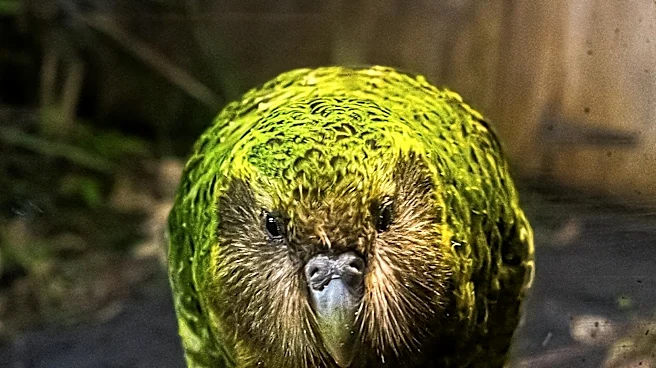
The book also touches on the intelligence of modern birds, exploring how they have evolved to possess high cognitive abilities despite having small brains. This aspect of the book highlights the complexity of evolutionary adaptations and the diverse strategies life forms use to thrive in various environments. The discussion of bird intelligence may prompt further studies into the neurological and behavioral adaptations of birds, contributing to a broader understanding of animal cognition and evolution.