



What's Happening?
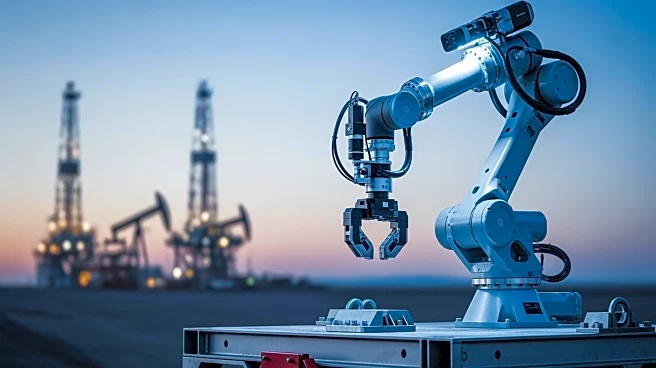
The oil and gas industry is increasingly integrating autonomous robotic missions to improve safety, emissions control, and asset reliability. These robots are used for routine and hazardous inspection rounds, allowing technicians to focus on critical
repairs and decision-making. By automating inspections, robots help preserve institutional knowledge and provide consistent data collection over time. This is particularly important for aging infrastructure where subtle changes might be missed by human teams. Autonomous robots are also being used for fugitive emissions detection, offering improved safety culture, better data discipline, and stronger regulatory confidence.
Why It's Important?
The adoption of autonomous robotic missions in oil and gas is crucial for addressing workforce pressures and enhancing operational safety. As skilled labor becomes harder to source, robots provide a reliable solution for monitoring hazardous facilities. They offer continuous, repeatable, and data-driven inspections, reducing the risk and variability associated with human-led inspections. This technology not only improves safety but also supports compliance and environmental stewardship, which are critical for maintaining the industry's license to operate. By detecting issues early, robots help prevent safety incidents and environmental harm, aligning with emerging regulations.
What's Next?
As the industry continues to face recruitment challenges, the integration of robotics is expected to become more widespread. Companies that embed robotics into their inspection philosophy will likely see broader benefits, including improved safety culture and proactive maintenance behaviors. The transition to robotics is not a replacement for human expertise but an amplification of it, allowing technicians to focus on high-level decision-making. The ongoing development of robotic technology will further enhance its capabilities, making it an indispensable tool for the industry.