






What's Happening?
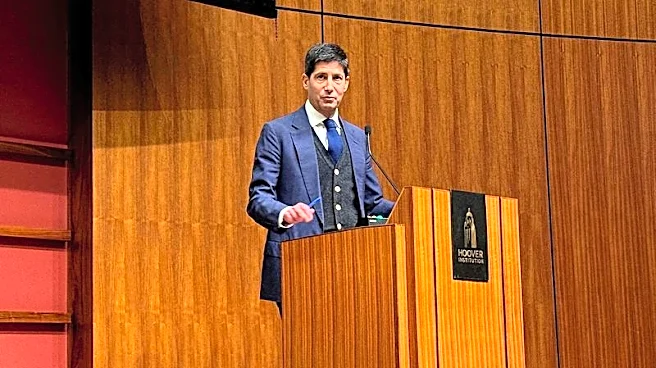
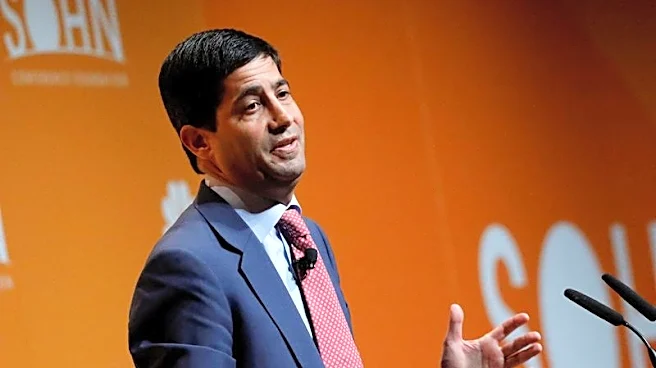
Kevin Warsh, nominated by President Donald Trump to lead the Federal Reserve, is set to emphasize the importance of maintaining the central bank's independence during his Senate confirmation hearing. Warsh's prepared remarks highlight his commitment to ensuring
monetary policy remains independent while acknowledging the need for collaboration with the Administration and Congress on non-monetary matters. He argues that the Fed's independence is crucial for operational conduct but should not extend to all its functions, such as bank regulation and international finance. Warsh criticizes the Fed for failing to maintain price stability, which he believes undermines public trust in economic governance. He pledges to reform the Fed's approach, advocating for a focus on its core mandates rather than fiscal and social policies.
Why It's Important?
Warsh's nomination and his views on the Fed's independence are significant as they could shape the future of U.S. monetary policy. His emphasis on reform and independence may lead to changes in how the Fed operates, potentially impacting inflation control and economic stability. Warsh's critique of the Fed's handling of inflation highlights the ongoing debate about the central bank's role in addressing economic challenges. His approach may influence the Fed's policy direction, affecting financial markets and economic stakeholders. The confirmation hearing will be a critical moment for assessing Warsh's potential impact on the Fed and its policies.
What's Next?
Warsh's confirmation hearing is scheduled to take place, where he will present his views to the Senate Banking Committee. The hearing will provide insights into his policy priorities and how he plans to address the challenges facing the Fed. Stakeholders, including lawmakers and financial experts, will closely monitor the hearing to gauge Warsh's approach to monetary policy and his commitment to reform. The outcome of the hearing could influence the Fed's future direction and its role in managing economic stability.