


What's Happening?
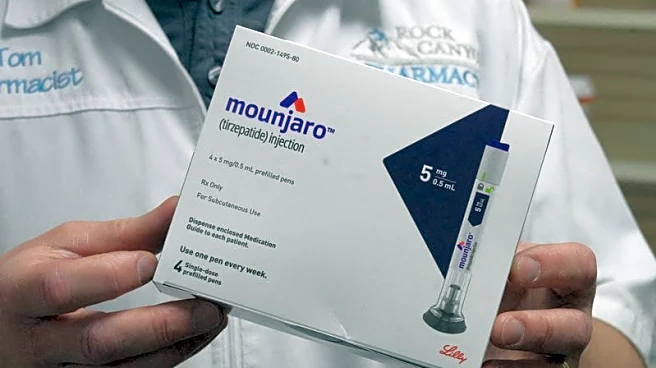
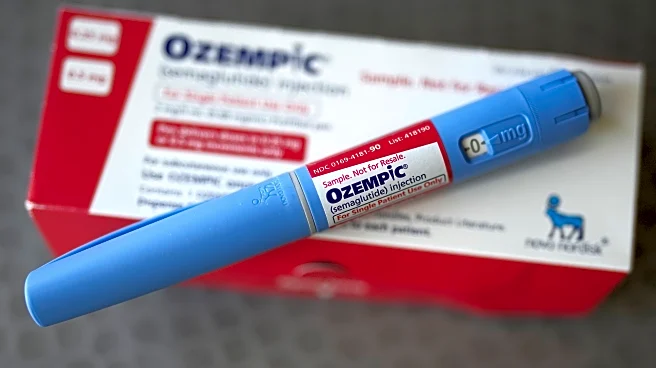
The demand for GLP-1 drugs, used for weight loss, is surging among employees, driven by direct-to-consumer advertising. According to Maven Clinic's report, 61% of employees took action after seeing GLP-1 ads, often without consulting healthcare professionals.
This trend is reshaping employee benefits as organizations strive to balance clinical appropriateness, cost, and long-term outcomes. The report highlights that 47% of employees want their employers to cover these drugs, but the advertising often lacks necessary context for informed healthcare decisions. Employers are urged to focus on benefits design that includes education and navigation support to help employees make safe and informed choices.
Why It's Important?
The increasing demand for GLP-1 drugs presents a challenge for employers who must manage rising healthcare costs while meeting employee expectations. The trend underscores the influence of consumer health advertising on employee healthcare decisions, which can lead to increased pressure on employer-sponsored benefit programs. Employers need to adapt by providing comprehensive guidance and support to ensure employees make informed decisions about their health. This shift could lead to changes in how benefits are structured, with a greater emphasis on education and personalized healthcare support.
What's Next?
Employers may need to reevaluate their benefits offerings to include more comprehensive support for employees considering GLP-1 drugs. This could involve partnerships with healthcare providers to offer evidence-based guidance and ensure safe usage of these medications. As the demand for such drugs continues to grow, employers might also explore cost-sharing models or alternative solutions to manage expenses. The focus on employee health and wellness is likely to intensify, prompting further innovation in benefits design and delivery.