



What's Happening?
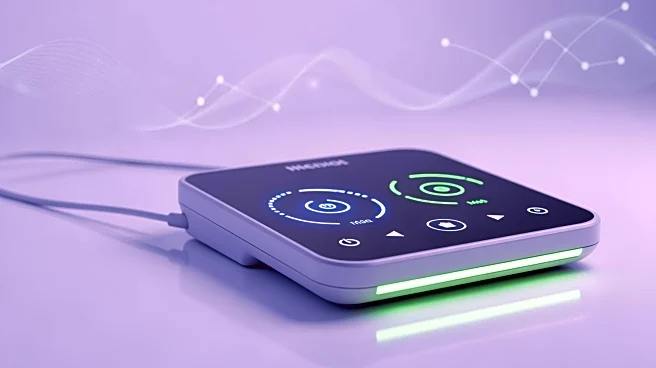
Hume Health has released updated disclosures about its Hume Body Pod, a consumer wellness device designed for at-home body composition analysis. The device uses an 8-electrode system and multi-frequency bioelectrical impedance analysis (BIA) to estimate various body metrics, including body fat percentage and skeletal muscle mass. Despite being described as incorporating a 'medical grade measurement chip,' the device is not classified as a medical device by the FDA. It is marketed as a tool for wellness monitoring rather than medical diagnosis. The device is HSA/FSA eligible, allowing U.S. consumers to potentially use pre-tax healthcare funds for purchase. Hume Health emphasizes that the Body Pod is not intended to diagnose, treat, cure, or prevent
any disease.
Why It's Important?
The release of the Hume Body Pod highlights the growing consumer interest in at-home health monitoring technologies. As more individuals seek to understand their body composition beyond basic weight measurement, devices like the Body Pod offer a range of metrics that appeal to health-conscious consumers. However, the distinction between consumer wellness devices and clinical-grade medical devices is crucial. Misinterpretation of the device's capabilities could lead to misplaced trust in its outputs, which are not substitutes for professional medical advice. The device's marketing language, particularly the use of 'medical grade,' may mislead consumers about its regulatory status and accuracy.
What's Next?
Consumers interested in the Hume Body Pod should verify current product specifications and pricing directly from Hume Health's official sources. As the market for at-home health monitoring devices expands, regulatory bodies may need to address the language used in marketing these products to ensure consumer clarity. Additionally, further independent studies could provide more insight into the accuracy and reliability of consumer-grade BIA devices compared to clinical standards.
Beyond the Headlines
The Hume Body Pod's introduction raises broader questions about data privacy and the ethical implications of health data collection. As these devices become more integrated into daily life, consumers must be aware of how their data is used and stored. The potential for these devices to influence consumer behavior and health decisions underscores the need for clear communication and transparency from manufacturers.